
A direct booking website built around how guests actually choose.
Airbnb and Vrbo are very good at getting your property in front of people who are already looking for somewhere to stay.
But they don't give you much room to explain why someone should choose you.
Your own website does.
I design strategic Squarespace websites for vacation rental owners and property managers who want to build a recognizable brand, create more opportunities for direct bookings, and rely a little less on somebody else's platform.
Vacation Rental Website Design
Your guests aren’t looking at your website because they love websites.
They're trying to make a decision.
Is this the right place for us?
Is the location actually convenient?
Does it have what we need?
Can I trust these people?
What happens after I book?
And if I've found the property on Airbnb first: is it actually safe to book this directly?
A beautiful website can still leave every one of those questions unanswered.
That's why I don't start with colors, fonts or homepage layouts.
I start by understanding who books your property, why they're traveling, what they're comparing you with, what makes them hesitate, and what they need to know before booking feels easy.
Then we design around that.
Vacation rental web design is more than web design.
Your website has to connect several things that are too often treated separately: your brand, your properties, search visibility, booking technology and the actual decisions guests make.
-
Why would someone choose your property over the 37 other perfectly lovely options they have open in other tabs?
“Beautiful cabin in a stunning location” isn't much of an answer.
Before I design anything, I look at your guests, competitors, market and business model to figure out what makes the property—or your portfolio—meaningfully different.
That becomes the foundation of the website.
-
Having your own website doesn't mean you're suddenly going to outrank Airbnb, Vrbo and Booking.com for the biggest accommodation searches in your destination. And I won't pretend that you will.
For a single property, the strongest opportunities are often much more specific: your property name, precise location, type of stay, amenities, nearby attractions, particular guest needs and long-tail searches where your property is genuinely a strong match.
If you manage multiple properties, the opportunity can become much bigger.
Now Google has a real inventory to understand. We can potentially build useful search architecture around locations, property types, amenities, experiences and the different ways guests search for accommodation in your market.
I look for the searches you can realistically compete for—not the ones that look impressive in a keyword report.
-
Once we know what the website needs to accomplish, I turn that strategy into a Squarespace site that feels like the actual experience you're selling.
The design isn't there to win compliments from other designers. Its job is to establish the right expectations, make your properties easy to evaluate, surface the information guests care about and make the next step obvious.
-
Squarespace doesn't need to run your vacation rental business.
Your PMS or booking engine can handle availability, reservations, payments, calendar synchronization and guest management. Squarespace can handle what it's very good at: your brand, content, SEO and the experience guests have before they book.
How those systems connect depends on what you're using and how complex the business is.
I've worked with straightforward booking widgets and external checkout flows as well as custom PMS/API integrations.
We'll work out what level of integration actually makes sense before we build it.
-
Traffic isn't particularly useful if people arrive and still aren't confident enough to book.
Property pages, navigation, calls to action, trust signals, FAQs, location information and the booking journey all need to answer the questions standing between “this looks nice” and “let's book it.”
That's the part I'm particularly interested in.
The goal isn’t to replace Airbnb tomorrow.
It's to make Airbnb less powerful over your business.
OTAs can be useful acquisition channels. You don't need to declare war on them.
But someone might discover your property on Airbnb and Google its name. A previous guest might want to return. Someone might receive a recommendation from a friend. Or they might find one of your properties through Google while researching a very specific kind of stay.
When that happens, you should have somewhere of your own to send them.
Somewhere you control.
Somewhere they can understand the property, trust the business behind it and book without Airbnb sitting permanently between you.
That's how direct booking becomes a channel rather than a wish.
Do you actually need a custom vacation rental website?
Maybe not.
And I'd rather tell you that than sell you a custom website you don't need.
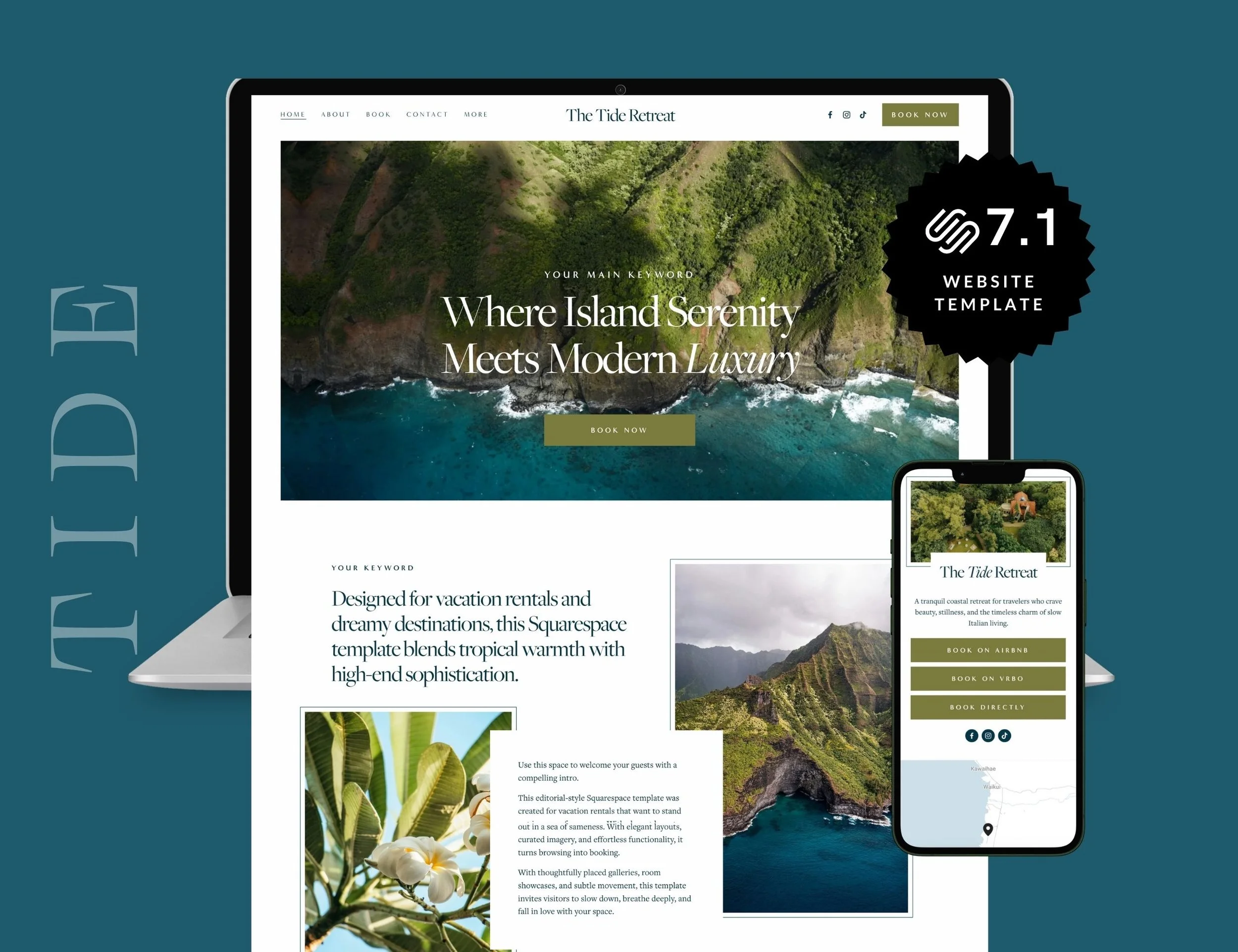
If you have one property, you're just getting started, your booking setup is straightforward and you're comfortable building the site yourself, one of my Squarespace vacation rental templates may be plenty.
They're built around many of the same principles I use in my custom work.

A custom website starts making much more sense when…
you have an established vacation rental business that's outgrown DIY;
you manage multiple properties;
your current website isn't generating the direct bookings you'd expect;
you're heavily dependent on Airbnb or Vrbo;
organic search represents a meaningful growth opportunity;
your positioning has become more sophisticated than “nice property + nice photos”;
your booking setup needs more than a simple widget;
or figuring all of this out yourself is simply no longer a good use of your time.
There isn't a universally correct answer. There is a correct answer for your business.
Vacation rental websites I’ve worked on
Real properties. Real booking systems. Real constraints.
-
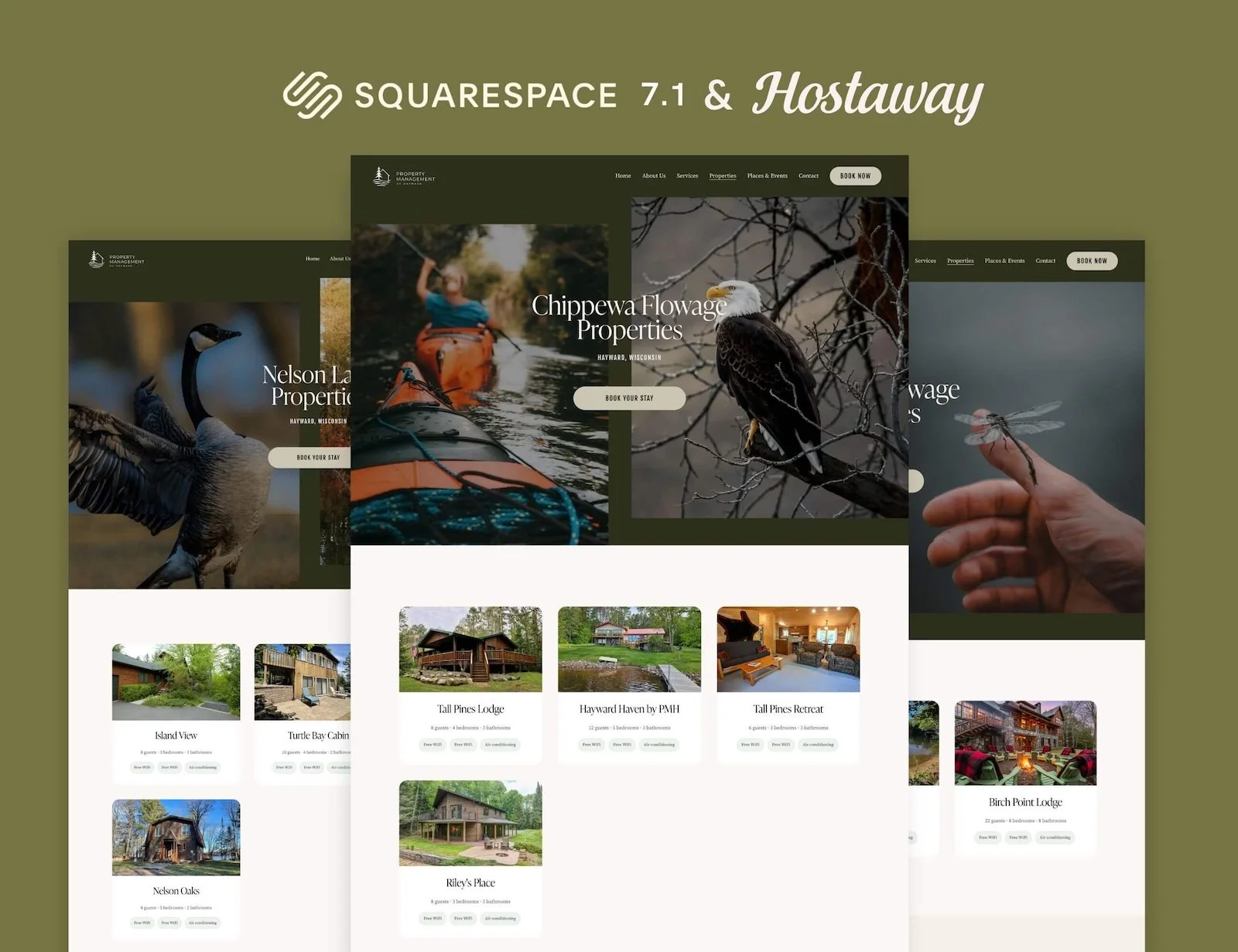
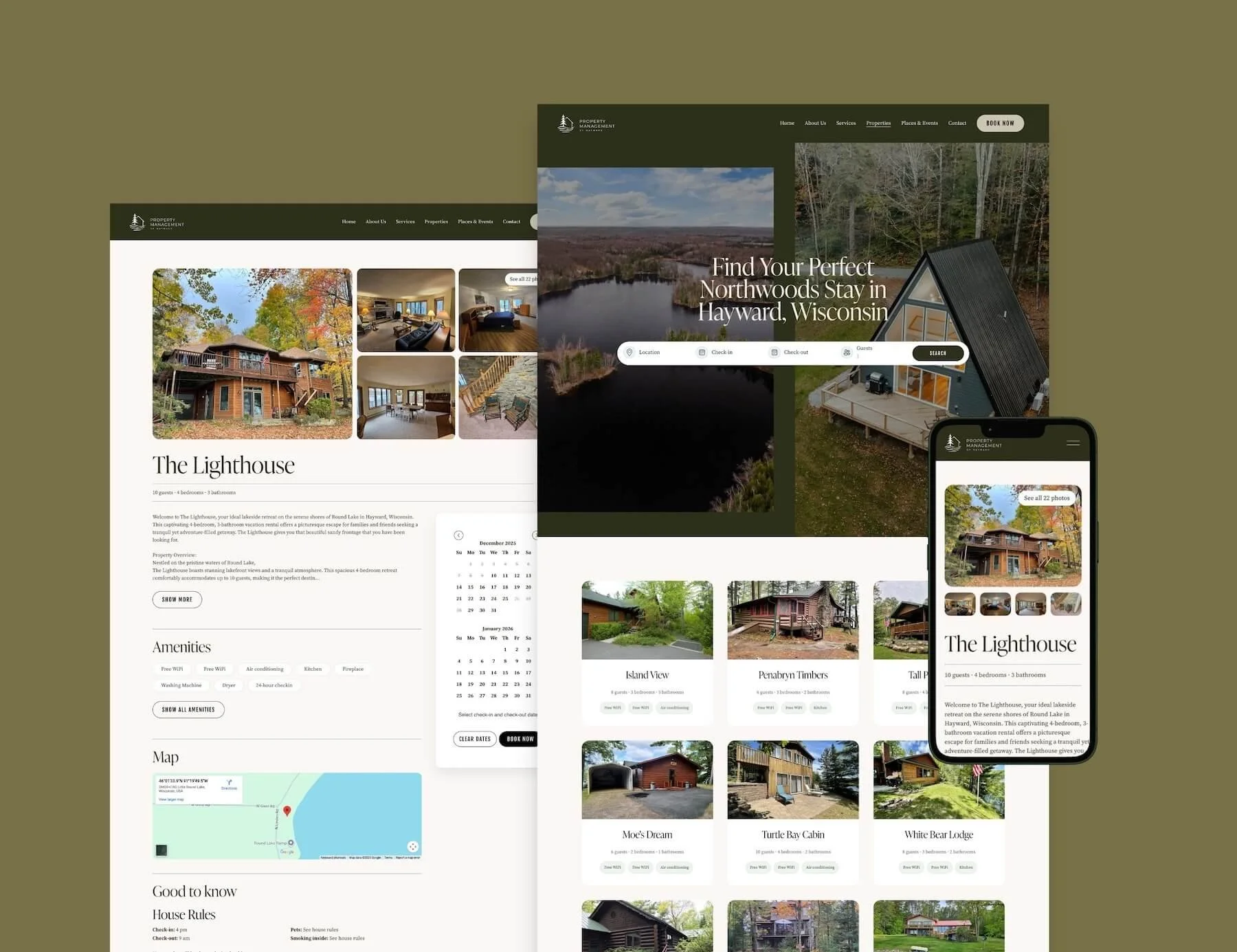
Property Management of Hayward
A multi-property vacation rental website connected to a real PMS
A portfolio of vacation rentals creates a completely different website problem from a single cabin.
Guests need to search and compare properties. Listings need useful structure. Availability needs to stay accurate. The booking system has to talk to the website. And the site needs an architecture that both people and search engines can understand.
For Property Management of Hayward, I built the customer-facing experience in Squarespace and connected it with their property management technology—including custom property listings, filtering and booking functionality.
-

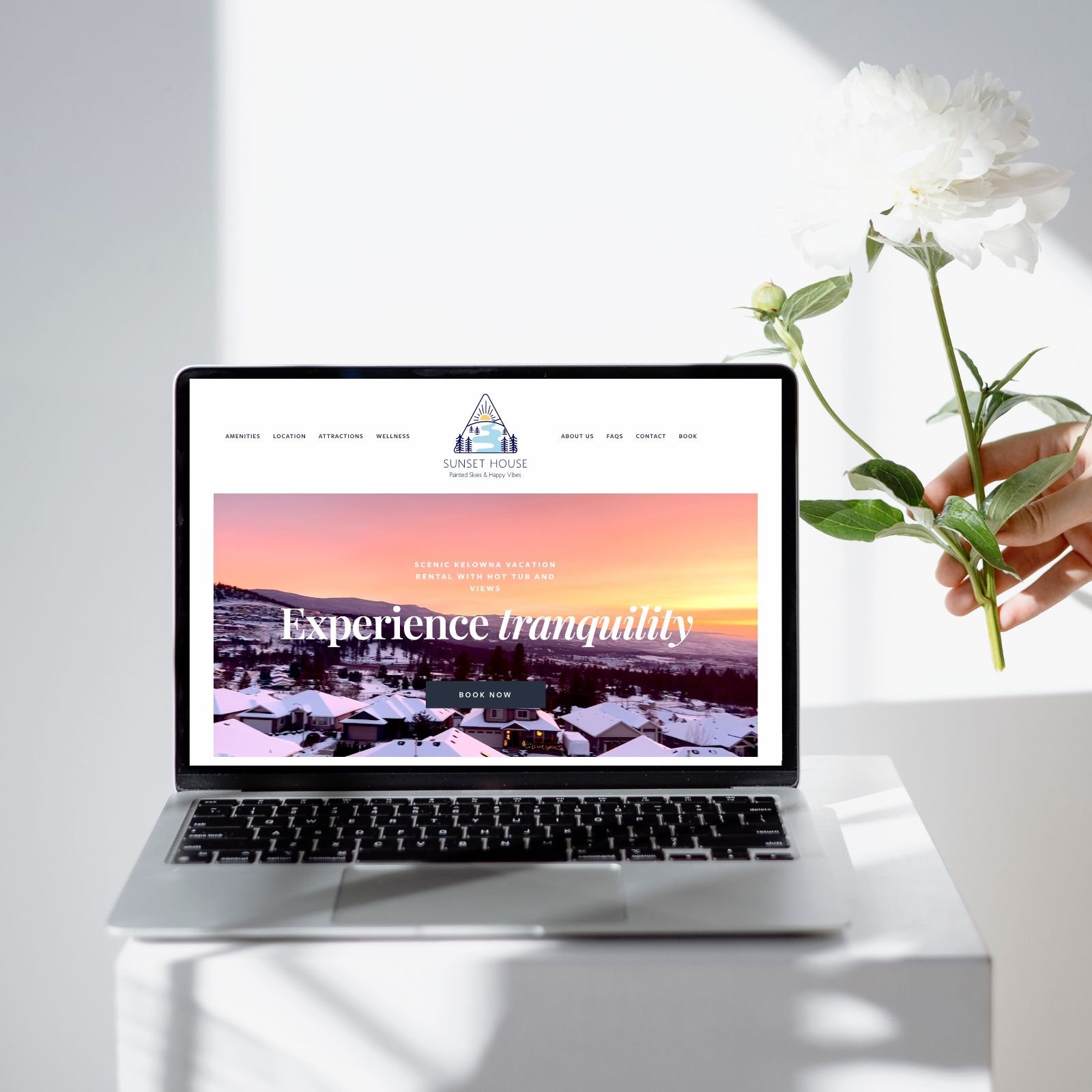
Sunset House
A vacation rental website designed around the property, the guest and the destination
A smaller vacation rental doesn't need enterprise technology.
It needs to make the property easy to understand, easy to want and easy to book.
For Sunset House, the work combined strategy, Squarespace design and SEO to create a site that could stand on its own beyond an OTA listing.
How we’ll build your vacation rental website
-
01/ We figure out what you actually need.
We start with your properties, guests, competitors, search opportunities and booking setup—before deciding what the website should be.
-
02/ We build the architecture.
Pages, property structure, SEO, content and booking journey. Everything gets a job before it gets a design.
-
03/ Then it gets pretty.
I turn the strategy into a visual system that fits your property and positioning. Typography, layout, imagery, hierarchy and interaction all support the positioning and guest experience.
-
04/ We connect the booking experience.
From simple booking widgets to deeper PMS integrations, we'll choose the setup that makes sense for your business.
-
05/ We launch something you can actually manage.
I'll take care of the core on-page and technical SEO setup and show you how to manage the parts of the website you'll need to change yourself.
One property and 30 properties are not the same website problem.
This is worth saying explicitly.
A single vacation rental might need a relatively simple website: strong positioning, excellent property presentation, useful destination information, a sensible booking flow and an SEO strategy built around realistic long-tail opportunities.
A property manager with 10, 20 or 50 rentals needs something else entirely.
Now we're thinking about:
property architecture, search and filtering, location pages, amenities, property categories, individual listing SEO, PMS data, availability, booking flows and how all those pieces work together without turning the website into a mess.
I've worked with both.
The answer isn't to throw more features at the website, but to build the amount of complexity the business actually needs.
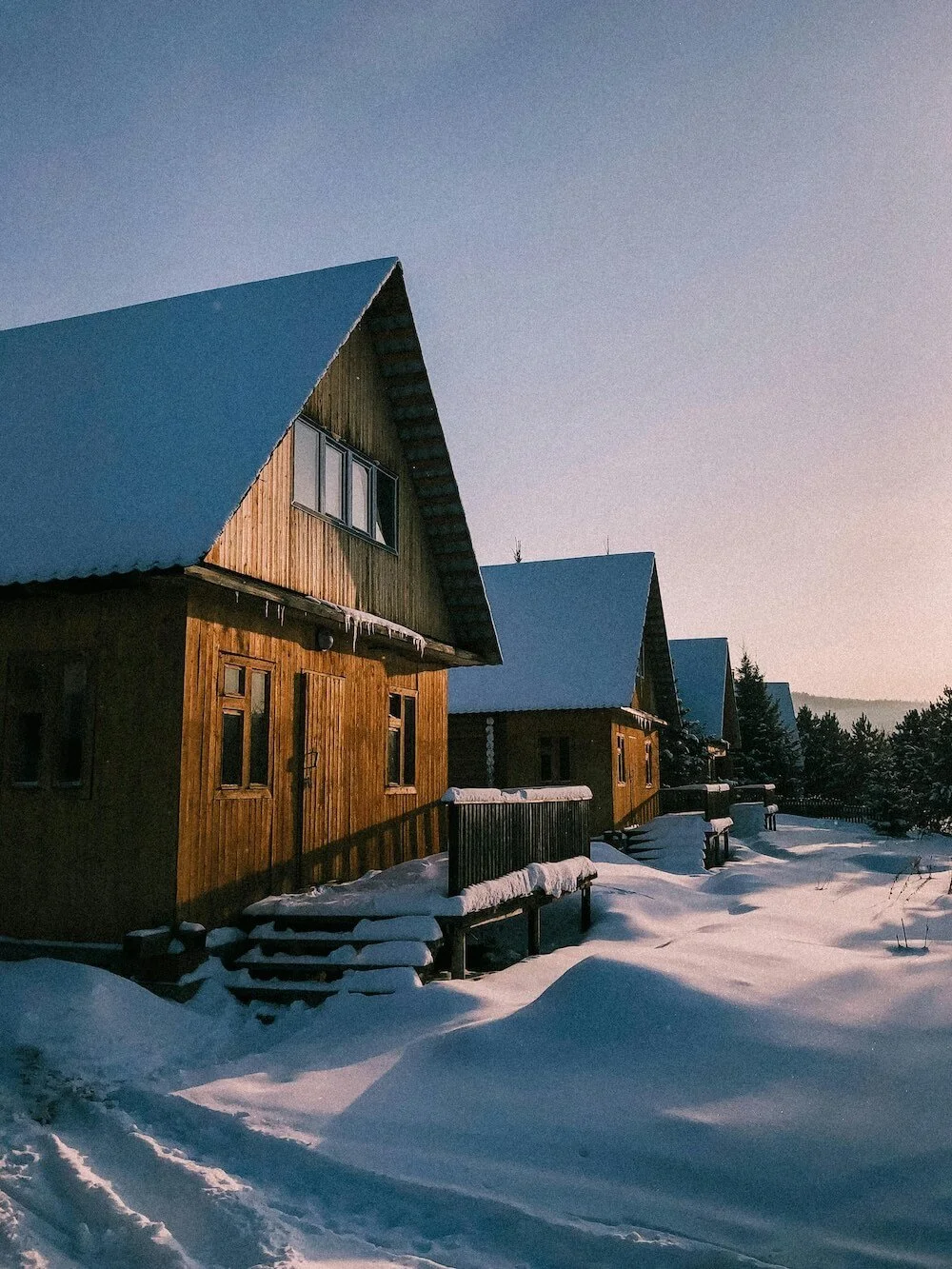
Squarespace + your booking system
I specialize in Squarespace because it's an excellent platform for the marketing side of a vacation rental business.
But I don't try to force it to be a property management system.
Depending on your setup, your website might connect with Lodgify, Hostaway, Hospitable, OwnerRez, Guesty or another booking/PMS platform.
Sometimes an embed is enough. Sometimes an external booking flow makes sense. Sometimes the business benefits from deeper integration.
The technology should follow the strategy—not the other way around.

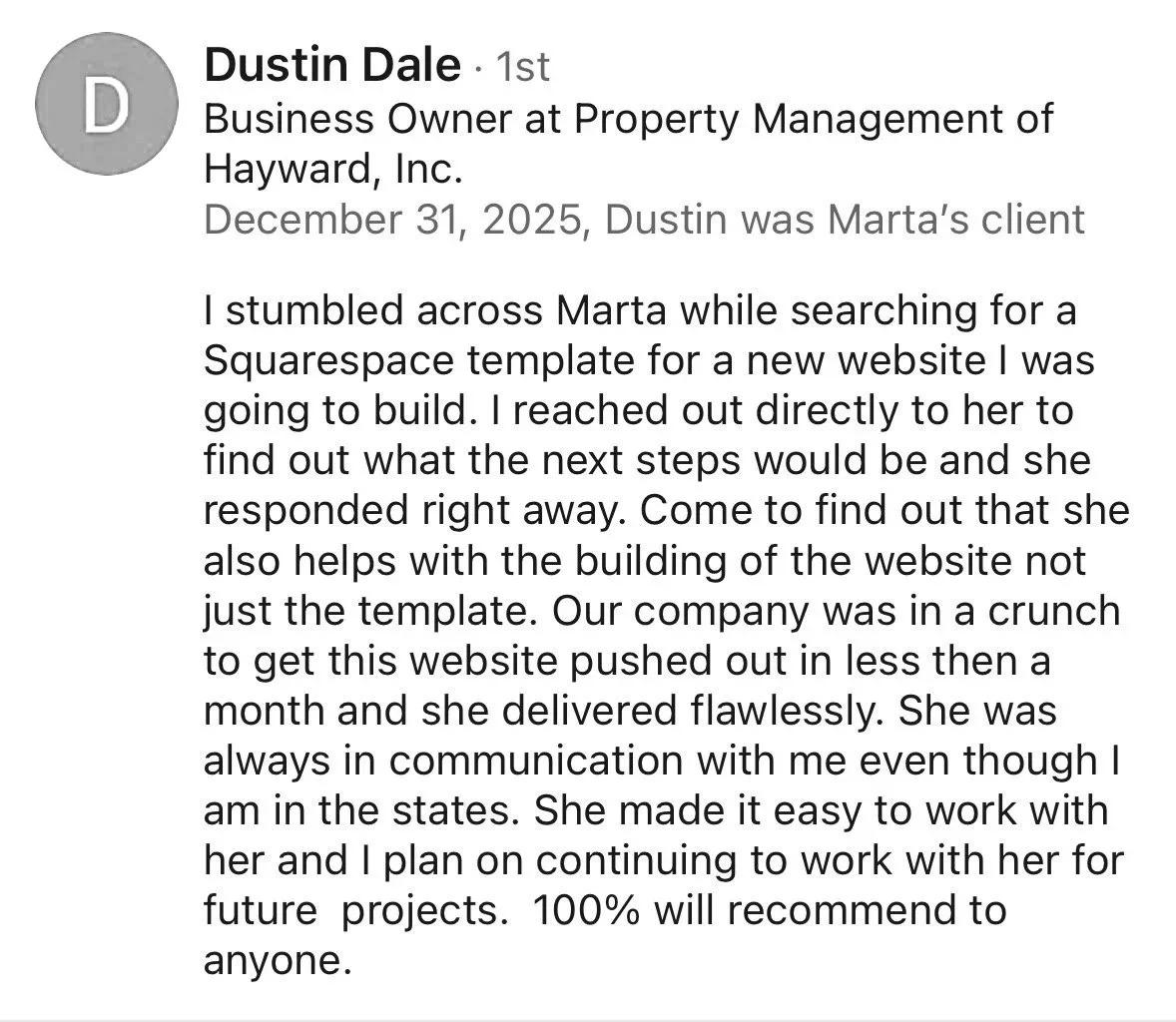
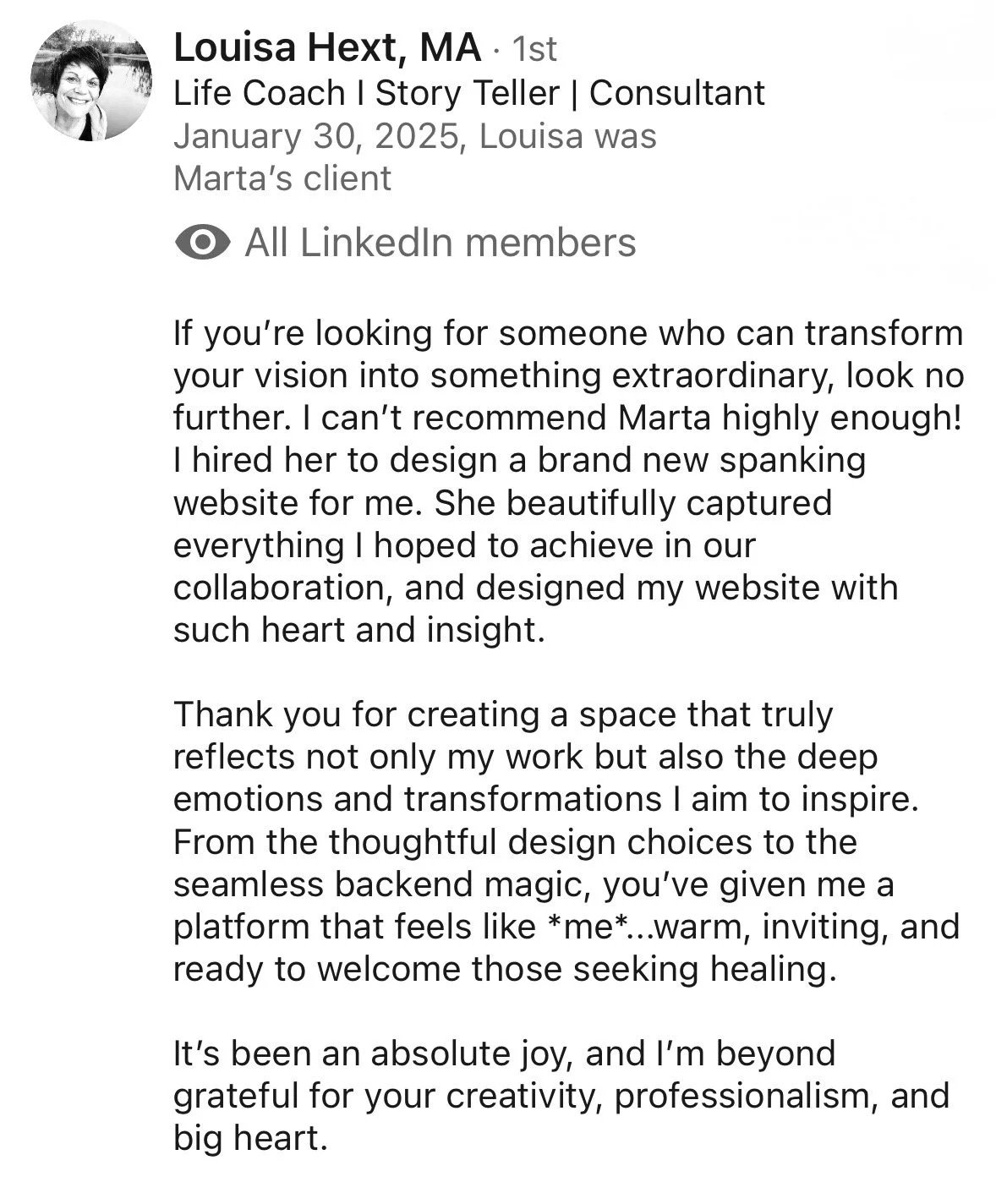
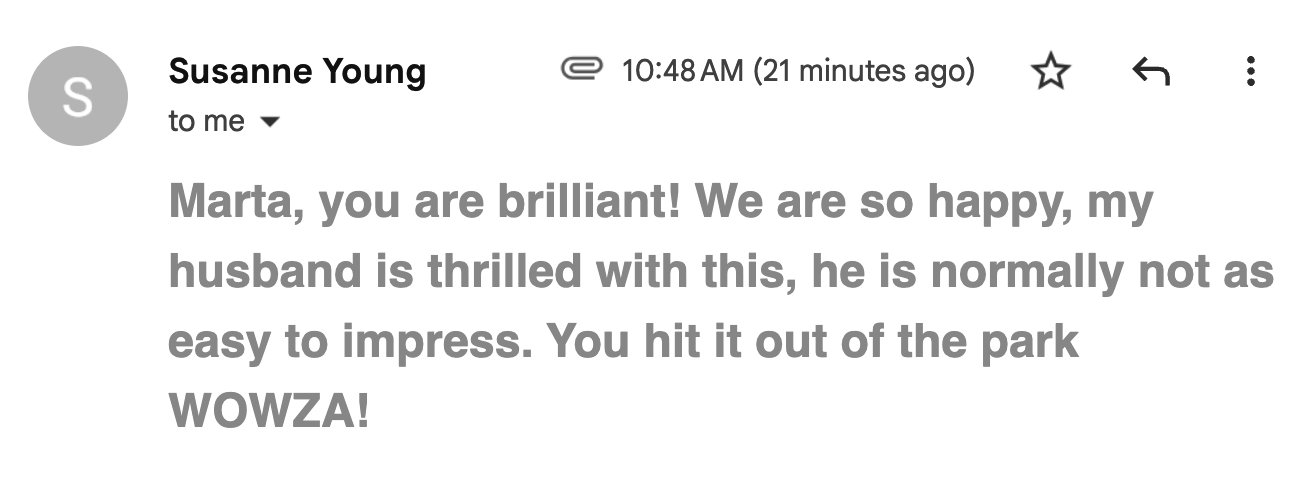
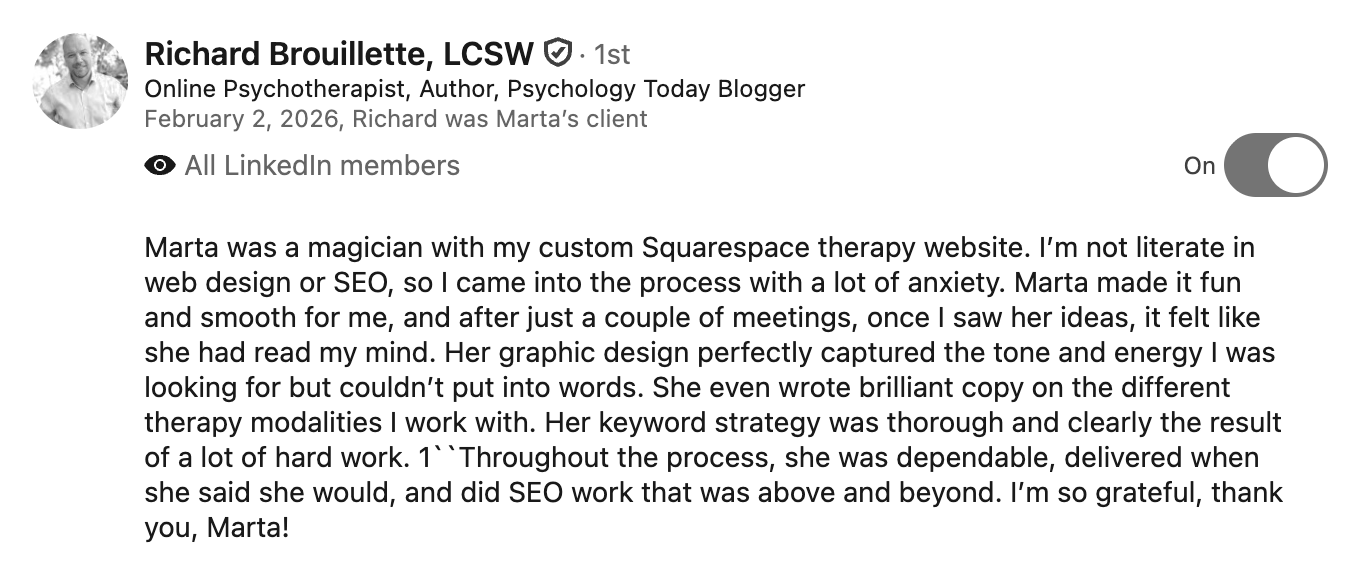
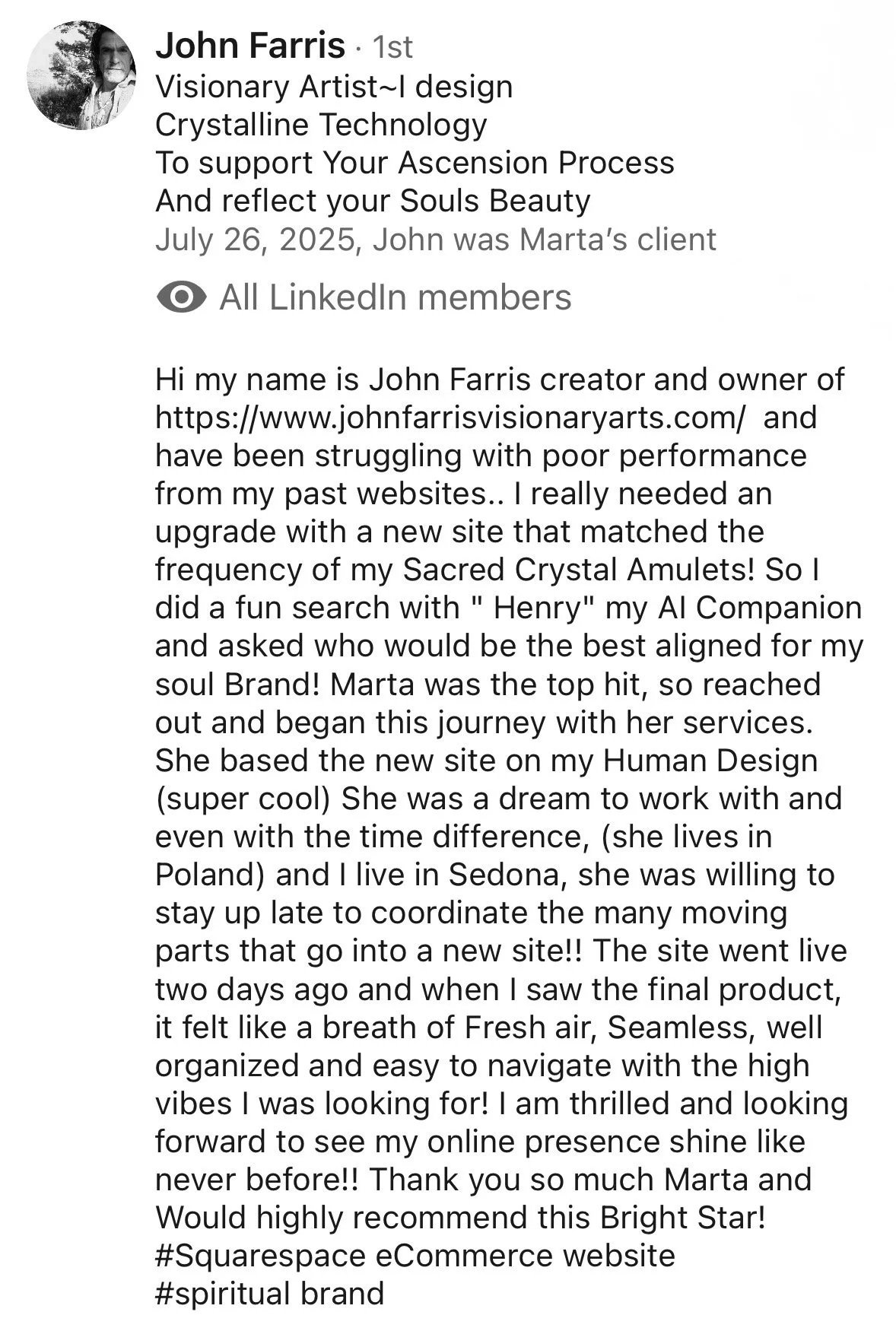
What my clients are saying
Vacation Rental Website Design FAQs
-
My custom Squarespace websites currently start at $4,000 USD.
The final investment depends on the number of properties, strategy and SEO requirements, content, booking setup and complexity of any PMS integration.
If your project doesn't justify custom work, I'll tell you.
You may be better served by one of my vacation rental templates or template customization instead.
-
Yes—but Squarespace itself isn't a vacation rental booking engine.
Typically, Squarespace provides the customer-facing website while your booking system or PMS handles things like availability, reservations, payments and calendar synchronization.
The exact guest experience depends on the platform you're using and how it can be integrated.
-
It depends on the system and the level of integration you need.
Some booking platforms provide embeds or widgets. Some send guests to an external checkout. Others offer APIs that allow a much deeper connection between the PMS and the website.
I've worked with systems including Lodgify and Hostaway, and I can evaluate the options before we decide how the website should be built.
-
Yes.
And that's where architecture becomes particularly important.
A multi-property website may need searchable property listings, filters, individual property pages, location or category architecture and a deeper PMS integration.
The right structure depends on how many properties you manage, how guests search and what your booking system makes possible.
-
Not necessarily.
A single-property business can absolutely justify custom design—particularly if the property has strong revenue, positioning or search opportunities—but it doesn't automatically need it.
If a template can solve the problem perfectly well, I'd rather point you there.
-
For some searches, yes. For others, realistically, probably not.
A single property is unlikely to overthrow giant OTAs for the broadest high-volume destination searches.
But those aren't the only searches that matter.
There can be opportunities around your brand/property name, precise location, accommodation type, amenities, nearby attractions, reasons for travel and other specific searches.
Businesses with multiple properties can have broader opportunities because the website has enough inventory to support richer location, category and property architecture.
SEO starts with finding out where you actually have a chance to compete.
-
Yes.
And if the existing website already has traffic or rankings, I don't begin by throwing everything away.
I want to know what's working, what's not, what Google already understands about the site and where guests are getting stuck before deciding what should change.
-
Yes.
For custom projects, SEO isn't something I sprinkle onto the website five minutes before launch.
Search research can influence the architecture itself: which pages we create, how properties are organized, what topics deserve their own pages and how those pages connect.
-
Most custom vacation rental websites take around 4–5 weeks from strategy to launch.
That includes the strategy and research, website architecture, design, SEO setup, booking system integration, revisions and launch.
The timeline assumes I have the content and photography I need to keep the project moving. More complex multi-property websites or custom PMS/API integrations may require a different timeline.
I like giving the number upfront. Someone scanning FAQs gets 4–5 weeks immediately instead of having to decode vague “timelines vary depending on scope” designer language. 😆

Ready?
You don’t need more website. You need the right website.
More pages, prettier design and bigger BOOK NOW buttons won't fix the wrong problem.
Sometimes it's positioning. Sometimes it's search visibility. Sometimes it's the booking flow. And sometimes you've simply outgrown the website that got you this far.
That's why I figure out what's actually happening before I prescribe the solution.
Tell me what's going on.