Wedding Venue Website Design: What Couples Actually Need to See
I've looked at more wedding venue websites than any reasonable person should… Barns. Estates. Vineyards. Hotels. Industrial spaces. Country clubs. Places with alpacas.
After a while, patterns start jumping out at you.
And here's the thing about wedding venue website design: the biggest problem usually isn't bad design. It's almost the opposite.
Most wedding venue websites are gorgeous. Expensive photography, elegant typography, colors that were clearly agonized over, cinematic video, and enough soft-focus shots of couples wandering through fields to stock a small museum.
But there's a real gap between a website that makes someone think:
“What a beautiful wedding.”
...and one that gets them to:
“I can see us getting married here.”
That second reaction is the one that actually books weddings.
Because couples aren't on your site to admire your site. They're trying to make a decision — often one of the biggest ones they'll make all year. And good wedding venue web design is what makes that decision easier, not just prettier.
7 Reasons Your Wedding Venue Website Isn’t Converting
If your website gets traffic but not enough inquiries, the problem usually isn't one dramatic mistake. It's a collection of small moments where couples hesitate, get confused, or decide to keep looking.
1. Couples can't find the information they need. Capacity, pricing, what's included, accommodation, ceremony options, logistics and the rain plan shouldn't require detective work. Couples are comparing venues. Every unanswered basic question makes it easier to move on to the next tab.
2. Your photos are beautiful, but don't answer questions. Close-ups of flowers, champagne and happy couples create emotion. They don't necessarily show someone what they're buying. Couples need to see the actual spaces, scale, layouts, accommodation and what different kinds of weddings look like at your venue.
3. Your venue looks like every other venue. “Timeless elegance.” “Unforgettable celebrations.” “Your dream day.” If your copy could belong to another venue without anyone noticing, it isn't helping couples understand why they should choose yours.
4. You're making couples work too hard. Confusing navigation, endless galleries, information hidden in PDFs, vague buttons and unnecessarily long inquiry forms all create friction. Your website should make understanding your venue feel easy.
5. There's not enough proof. Generic praise isn't enough. Real weddings, specific testimonials and reviews should demonstrate the things you're asking couples to believe: that your team is helpful, the rain plan works, the accommodation is worth it, or planning from another state really is manageable.
6. Your website creates uncertainty instead of removing it. What happens if it rains? Where do guests stay? Will 150 people actually fit? What's included in the price? These aren't boring details getting in the way of the romance. They're the questions standing between “this is beautiful” and “let's go see it.”
7. Your inquiry CTA comes before the decision. “Book a tour” can't do the persuasion for you. Before someone gives you their details or spends a Saturday visiting your property, your website has to make the venue feel worth pursuing. That's the conversion that matters first: This one belongs on our shortlist.
Couples are shortlisting, not exploring
By the time someone reaches your website, there's a good chance they've already encountered your venue somewhere else.
Maybe Google. Maybe Instagram, Pinterest, or The Knot. Maybe Google Maps. A photographer tagged you. A friend got married there. Or, increasingly, an AI tool put you on a shortlist.
Whatever brought them there, their behavior once they arrive is a lot less romantic than most venue marketing likes to imagine.
They're comparing. They probably have several tabs open. And they're trying to eliminate options, not fall in love with one.
They aren't slowly appreciating your carefully selected fonts or waiting for the gallery animation to finish. They're asking:
Is this somewhere we could actually get married?
And then:
Is this one worth pursuing, or do we keep looking?
That distinction matters. Your website isn't just an online brochure — it's part of the buying process.
If you want the bigger picture of how couples find you in the first place, I've written a separate guide to wedding venue marketing that covers positioning and SEO through to the point someone's ready to book.
This article picks up where that one leaves off: what happens once they land on your website.
What should a wedding venue website include?
At minimum, a good wedding venue website should help couples quickly understand:
what the venue actually looks like
where it is
how many guests it accommodates
what ceremony and reception options exist
what is included
roughly what it costs
whether accommodation is available
what happens if the weather doesn't cooperate
what previous weddings there actually looked like
why couples choose this venue instead of another one
and what they should do if they're interested
That sounds obvious.
After looking at 100+ wedding venue websites, I can assure you it isn't.
So let's look at what this means in practice.
1. Your homepage should tell me what I’m looking at
There is a strange thing that happens in luxury and wedding website design where clarity starts feeling insufficiently sophisticated.
So instead of saying: “A private 200-acre wedding estate in northern Wisconsin with accommodation for 40 guests” we get: “Where timeless moments become unforgettable memories.”
Lovely.
Where am I?
What is this?
Can I sleep here?
Am I looking at a barn, hotel, vineyard or extremely ambitious Airbnb?
Your homepage doesn't need to explain everything immediately. But the first screen and section should orient me.
I should be able to establish fairly quickly:
What is this venue? Where is it? Who or what does it accommodate? What makes it interesting?
This isn't boring information getting in the way of your brand.
It is your brand being useful.
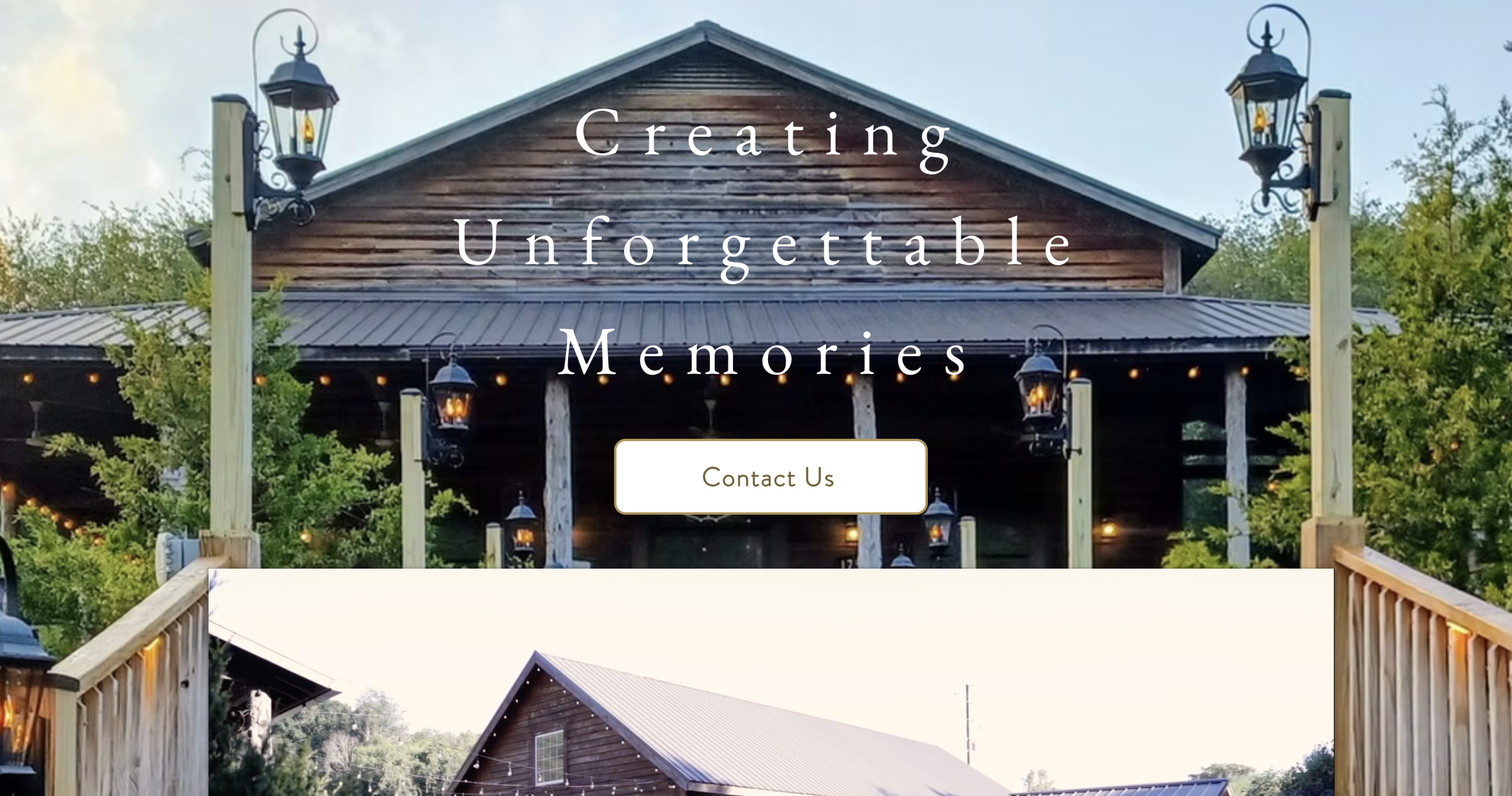
Here’s an example of what you shouldn’t do. Anyone can say this, and it contributes nothing to your SEO.
2. Show me the venue, not just beautiful weddings
This might be my biggest complaint about wedding venue websites. The photography is often gorgeous — close-ups of bouquets, a bride laughing, champagne glasses, shoes, a groom adjusting his cufflinks, a cake, a hand holding another hand. A very photogenic invitation suite, too.
And after scrolling through all of it, I still have no idea what the venue actually looks like.
Wedding photography and venue photography are not the same thing. A couple evaluating your venue needs images that help them understand the thing they're potentially buying:
Show me the entire reception room.
Show me the ceremony space from far enough away that I understand its scale.
Show me the exterior.
Show me how indoor and outdoor areas connect.
Show me the property in different seasons, if that's relevant.
Show me the bridal suite.
Show me the accommodation.
Show me the bar.
Show me the rain-plan space.
Show me what 150 guests actually look like in the room.
Beautiful detail photography still belongs on the website — it creates emotion and gives a sense of what a wedding there can feel like. But it can't do all the work.
Inspiration without orientation isn't enough.
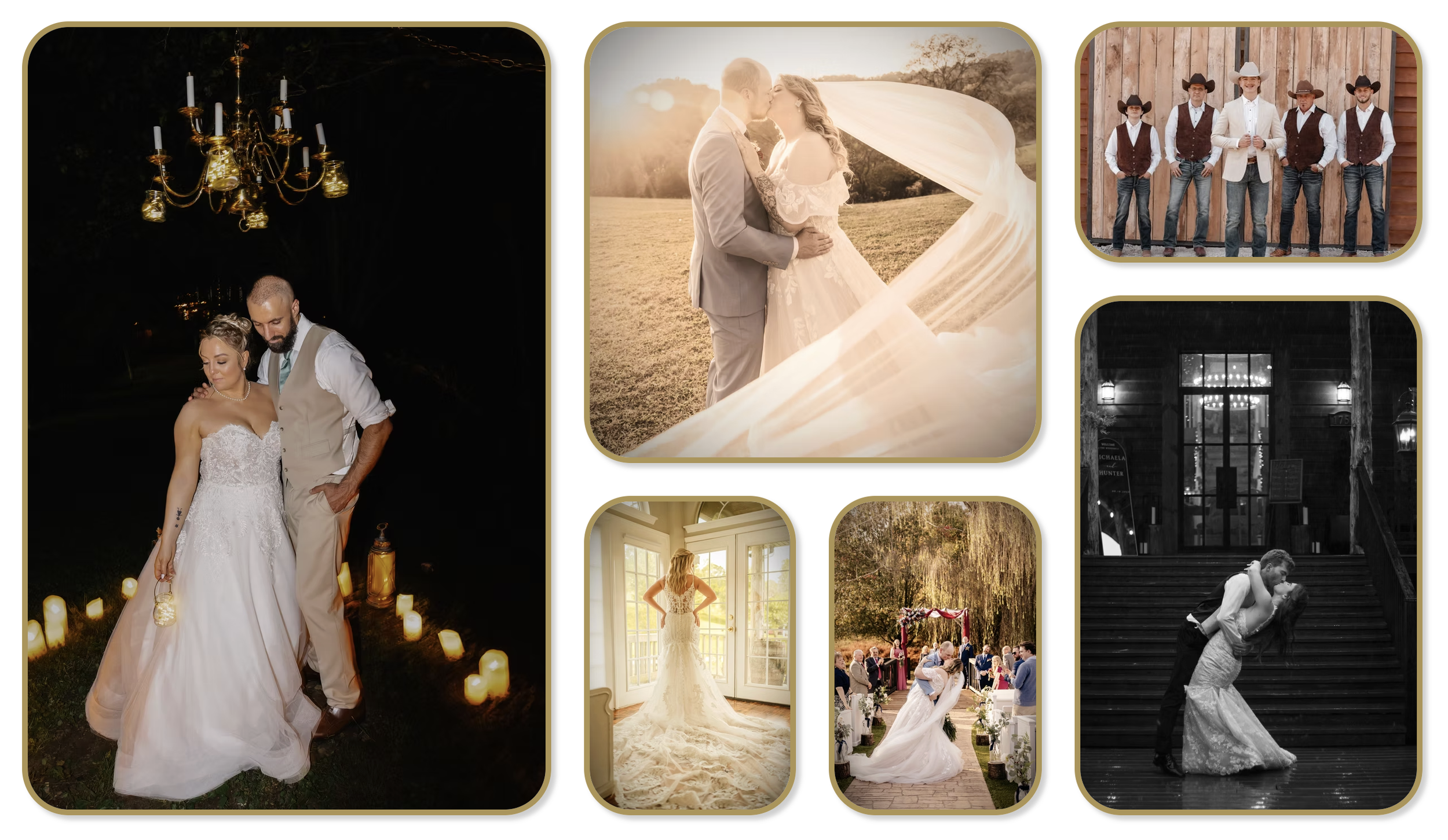
Where’s the venue? And those fancy frames and shadows are rather distracting.
3. Make capacity ridiculously easy to find
Capacity isn't an exciting website feature. It's also one of the easiest ways for a couple to eliminate you.
If we're expecting 180 guests and your venue holds 120, we're done. That's fine — your website has done its job. What isn't fine is making me dig through three pages, download a brochure, and inspect a floor plan like I'm investigating a minor financial crime just to find out whether we fit.
And capacity isn't always one number. Couples may need to understand:
seated dinner capacity
ceremony capacity
cocktail capacity
indoor versus outdoor capacity
different room configurations
minimum guest counts
accommodation capacity
Put that information where it belongs.
Don't make people inquire to discover they're not a fit.
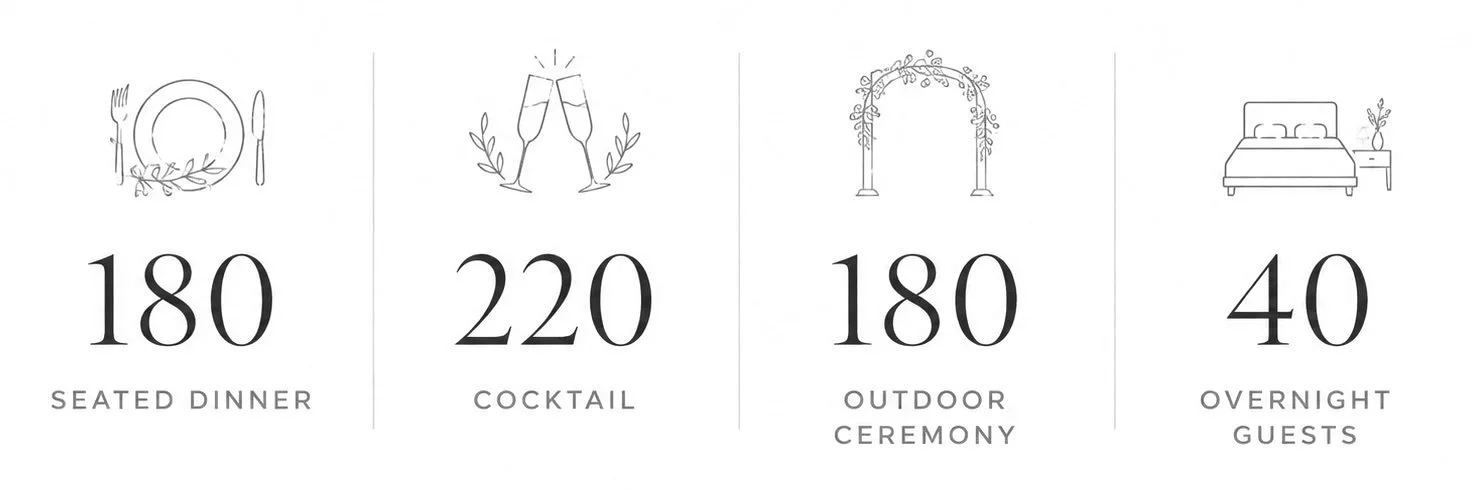
Undesrtood at first glance. Nothing needs explaining here.
4. Help me understand how a wedding actually works there
A gallery tells me what your venue looks like. It doesn't necessarily tell me how the day works.
Where does the ceremony happen? Where do guests go for cocktails? Does the reception happen in another building? What happens while the room is being turned? Where does everyone go if it rains? Can we have the rehearsal dinner there? What happens the morning after? If you offer weekend weddings, what does arriving Friday and leaving Sunday actually look like?
This is where good wedding venue website design starts becoming decision design. You aren't simply displaying information — you're helping someone mentally simulate the experience. And the easier that experience is to picture, the less uncertainty they have to resolve before taking the next step.
5. Give different spaces their own context
If your property has several meaningful spaces, don't dump 80 photographs into one enormous gallery and expect couples to reverse-engineer the venue.
Give spaces names. Explain what they're used for. Show their capacity. Show several useful photographs. Explain where they are in relation to one another, when that matters.
For example:
The Garden — Outdoor ceremonies · Up to 180 guests · Backup ceremony location: The Orangery
The Barn — Dinner and dancing · Up to 160 seated guests · Climate controlled
The Farmhouse — Sleeps 18 · Available Friday–Sunday · Bridal suite included
Suddenly I'm not looking at a pile of attractive photographs. I'm understanding a venue.
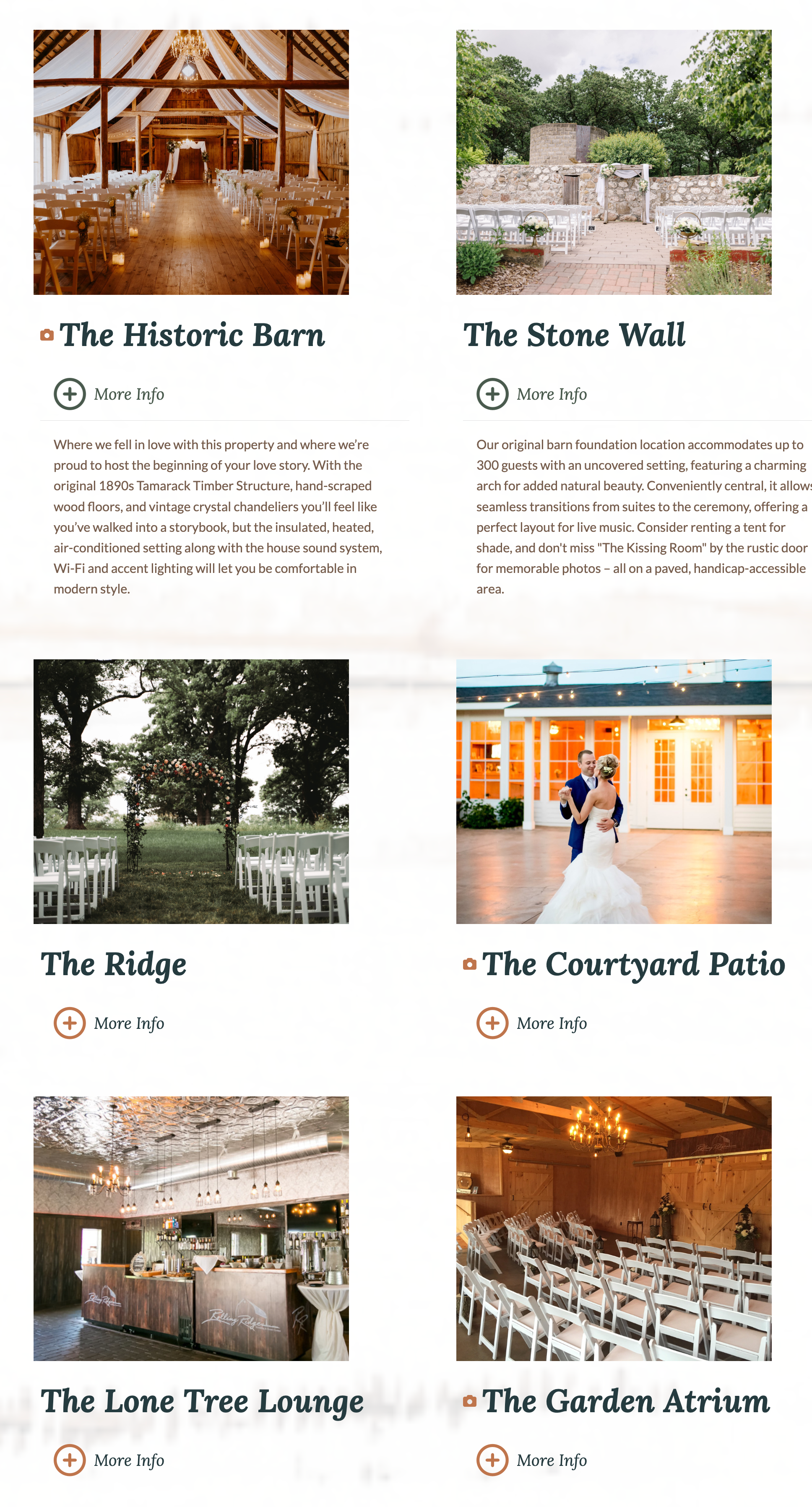
A good example how different spaces can be presented!
6. Tell me what it costs
Yes, we're going there.
One of the most common things I see on wedding venue websites is:
[DOWNLOAD OUR PRICING GUIDE]
Which sounds helpful until the site asks for your name, email, wedding date, phone number, estimated guest count, and possibly your firstborn child before you're allowed to know whether the venue costs $6,000 or $26,000.
I get why venues do this. The brochure becomes a lead magnet. You collect an email address. Your sales team gets a lead. You can follow up. The spreadsheet looks excellent.
But the person on the other side isn't thinking about your lead-generation spreadsheet. They're trying to answer one question: can we afford this?
You don't necessarily need to publish every add-on and catering permutation on the homepage. But give people orientation:
Wedding packages from $8,500.
Saturday weddings: $12,000 – $16,000 depending on season.
Full weekend exclusive use from $18,000.
Whatever makes sense for your model.
Pricing is part of qualification. Let the couple who can't afford you discover that without wasting their time or yours. And let the couple who can afford you move forward without wondering whether they're about to embarrass themselves by asking.
7. Explain what’s actually included
A venue price without context isn't always particularly useful either.
One venue costs $8,000. Another costs $14,000. But the second includes tables, chairs, linens, coordination, ceremony setup, cleaning, accommodation, and several things the first venue charges separately.
Those aren't directly comparable offers. Your website should help me understand what I'm actually buying.
This is especially important when your price is higher than nearby competitors. Don't just defend the number — give me enough context to understand it.
8. Answer the rain question before I have to ask it
If any meaningful part of your wedding experience depends on the weather, show the alternative. Not “indoor options are available in case of inclement weather.” Show me.
If I've fallen in love with your outdoor ceremony overlooking the mountains, my next thought is probably: okay, but what happens if it pours?
That's a buying objection. And a sentence buried in an FAQ doesn't resolve it nearly as well as seeing an indoor ceremony that still looks fantastic in its own right.
Great venue websites don't pretend uncertainty doesn't exist. They resolve it.
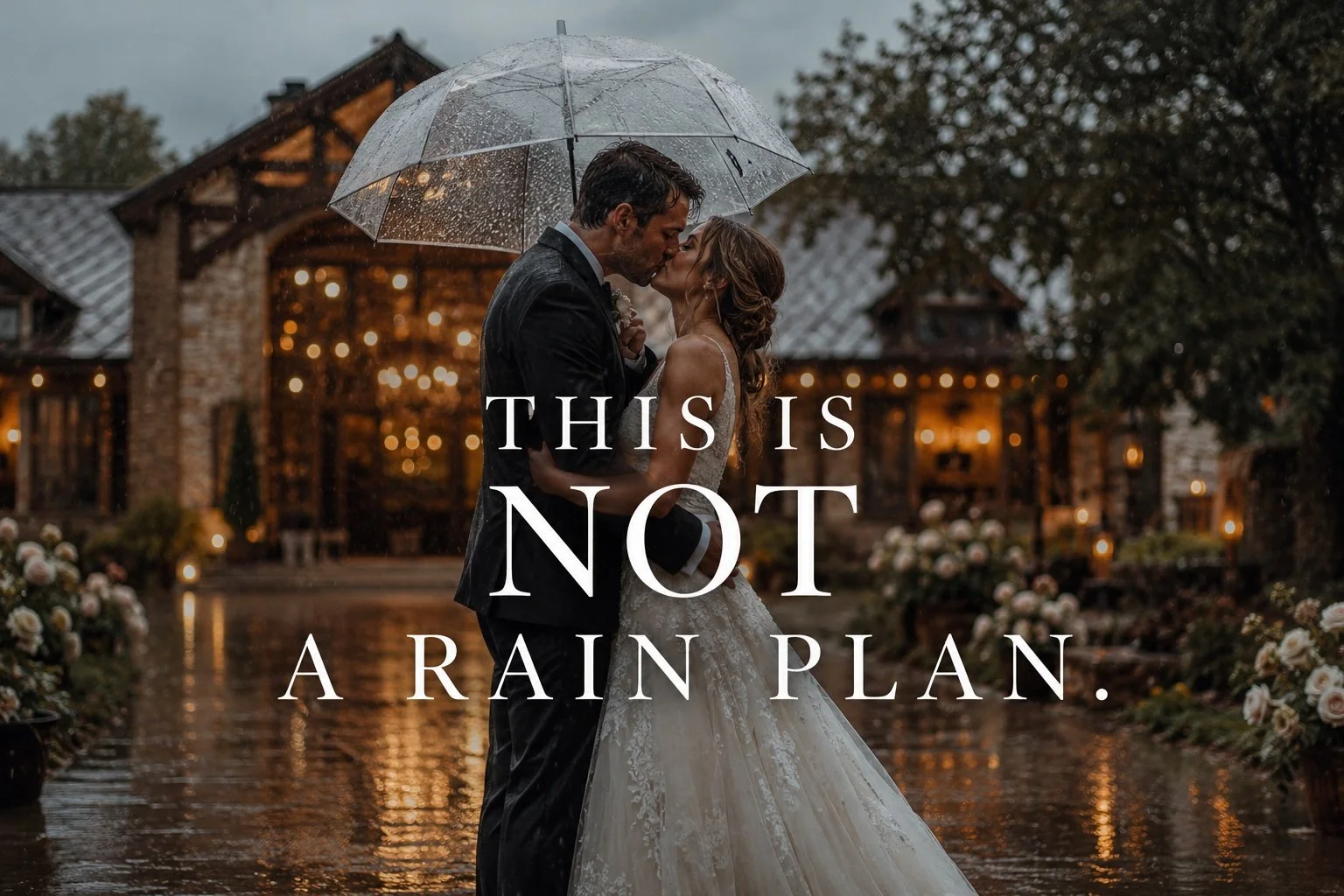
9. Use real weddings to help couples picture possibilities
Real wedding content is enormously useful when it has a job beyond proving that weddings have, historically, occurred at your wedding venue.
Show different seasons. Different guest counts. Different layouts. Different ceremony locations. Different aesthetics. Different weather. Different ways people have used the property.
If I can see a 70-person autumn wedding and a 180-person summer wedding, I start understanding the range of what's possible.
Real weddings can also become excellent SEO content, because they naturally contain specifics. “Autumn wedding at [Venue] in Wisconsin” is far more informative than “Sarah + Josh 🤍.”
Google has no idea who Sarah and Josh are. Neither do I. Sorry, Sarah and Josh.
10. Social proof should prove something
Wedding venue websites love testimonials. Usually they look something like: “Absolutely magical! We had the best day ever! Five stars.” — Emily.
Lovely.
But your strongest reviews often contain much more useful information. Look for reviews that resolve actual concerns:
“We were planning from another state and their coordinator made the whole process incredibly easy.” That proves support.
“It rained all morning and the indoor ceremony was just as beautiful.” That proves your backup plan.
“Having our families stay on the property for the whole weekend was the best part.” That proves the value of accommodation.
“We barely had to bring anything ourselves.” That proves convenience.
The best social proof isn't praise. It's evidence. Match it to the claims you're making throughout the website.
11. Don’t make couples hunt for basic information
You know your venue intimately. Your visitor doesn't. That makes you a terrible person to judge whether your navigation is obvious.
You know that accommodation information is halfway down the About page. You know that catering requirements are under Planning. You know that the capacity is in the downloadable brochure. You know that "Experience" means wedding packages.
I do not.
Wedding venue navigation does not need to win a design award. Something like:
Weddings · The Venue · Pricing · Accommodation · Real Weddings · FAQs · About · Enquire
is spectacularly boring. I love it. Nobody has to solve it.
12. Stop treating the pricing brochure like buried treasure
A downloadable wedding venue brochure can be genuinely useful. It gives couples something to save, send to parents, compare later, and refer back to.
The problem isn't the PDF. The problem is when the PDF contains all the information the website refused to give me.
Your website and brochure have different jobs. The website should give me enough information to decide this venue is relevant to us. The brochure can then help me investigate further.
Don't make the brochure the entrance fee for understanding the business.
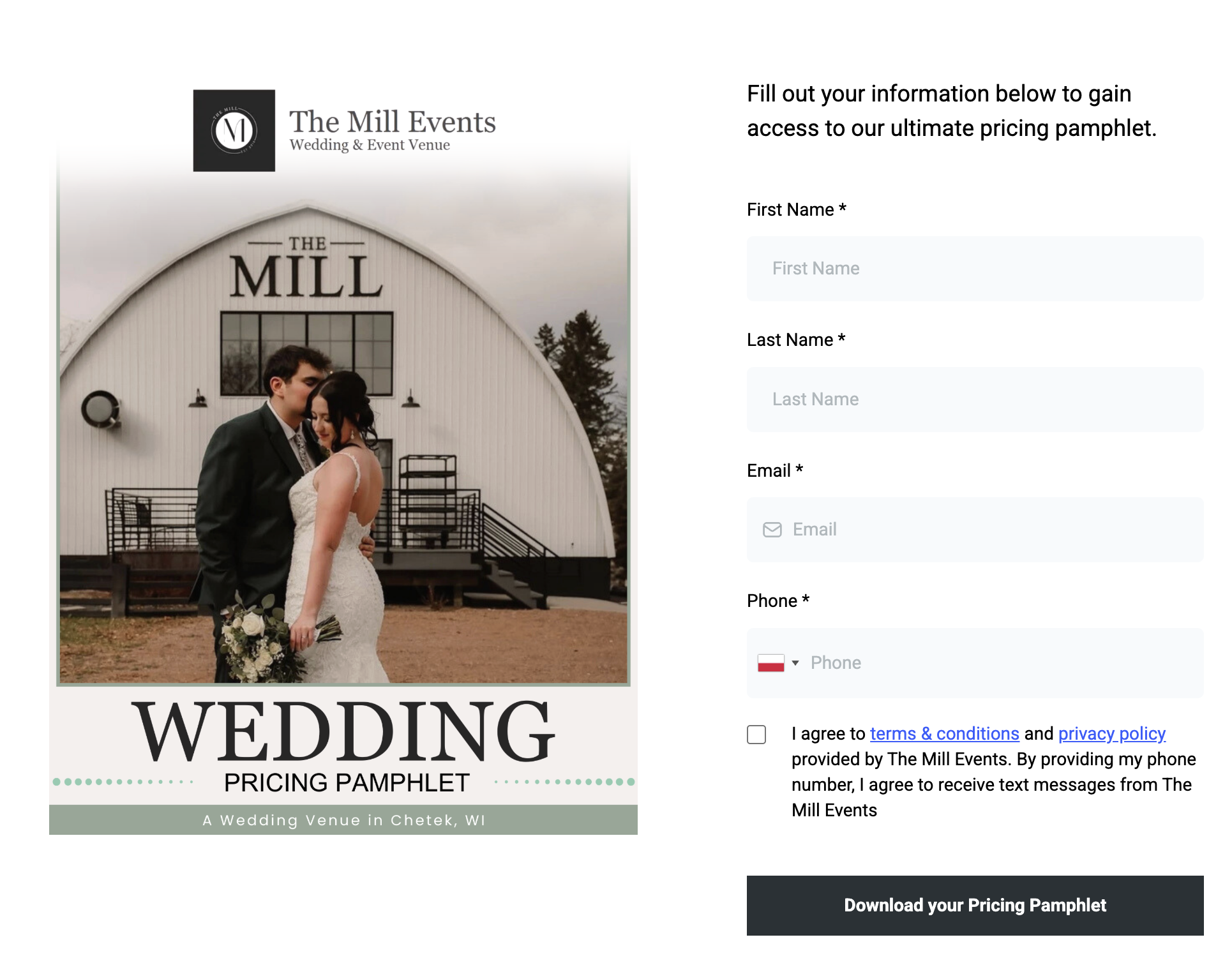
Sorry, if I have to give you my email address just to see if I can afford it, I’m gonna bail out.
13. Your inquiry form should match someone’s readiness
Imagine I've spent eight minutes on your website. I know what the venue looks like. I know it accommodates us. I've seen pricing. I understand what's included. I've looked at real weddings. I've read reviews. I'm interested.
Then I click Schedule a Tour and encounter a 23-field form asking for:
wedding date
backup wedding date
exact guest count
budget
planner
photographer
caterer
theme
how we met
how I heard about you
my deepest hopes for married life
I exaggerate. Slightly.
Every field creates effort. Only ask for information you genuinely need at that stage. If someone hasn't chosen a date yet, don't make a date mandatory unless there's a strong operational reason. If you need more information later, you can collect it later.
The goal of an inquiry form isn't to make your CRM feel complete. It's to help an interested, qualified person start a conversation.
14. Give me an obvious next step
Wedding venue websites occasionally seem terrified that visitors won't understand what to do unless there's an INQUIRE NOW button every 400 pixels.
You don't need to chase people around the website with a CTA. You need to make the next logical step clear. And that step may change depending on where someone is in the decision:
Early: explore the venue
Then: view pricing
Later: check availability
Finally: book a tour
That's very different from treating every visitor as though they're ready to schedule an appointment five seconds after arriving.
Good conversion design doesn't push everyone forward. It makes moving forward feel natural when they're ready.
15. Your mobile website is probably the real website
Open your wedding venue website on your phone. Not in Squarespace preview. Not by making your browser window narrow. On your actual phone. Now try to use it.
Can you understand the venue? Can you read the text without squinting? Do photographs show useful information at that crop? Are buttons easy to tap? Does a giant announcement bar consume a quarter of the screen? Does the menu make sense? Does the gallery take seventeen years to load? Does a popup appear before you've even established what the venue is?
Couples are discovering and comparing venues while sitting on sofas, commuting, sending links to partners, and texting screenshots to family members.
Mobile isn't the compressed version of the real experience. For a lot of visitors, it is THE experience.
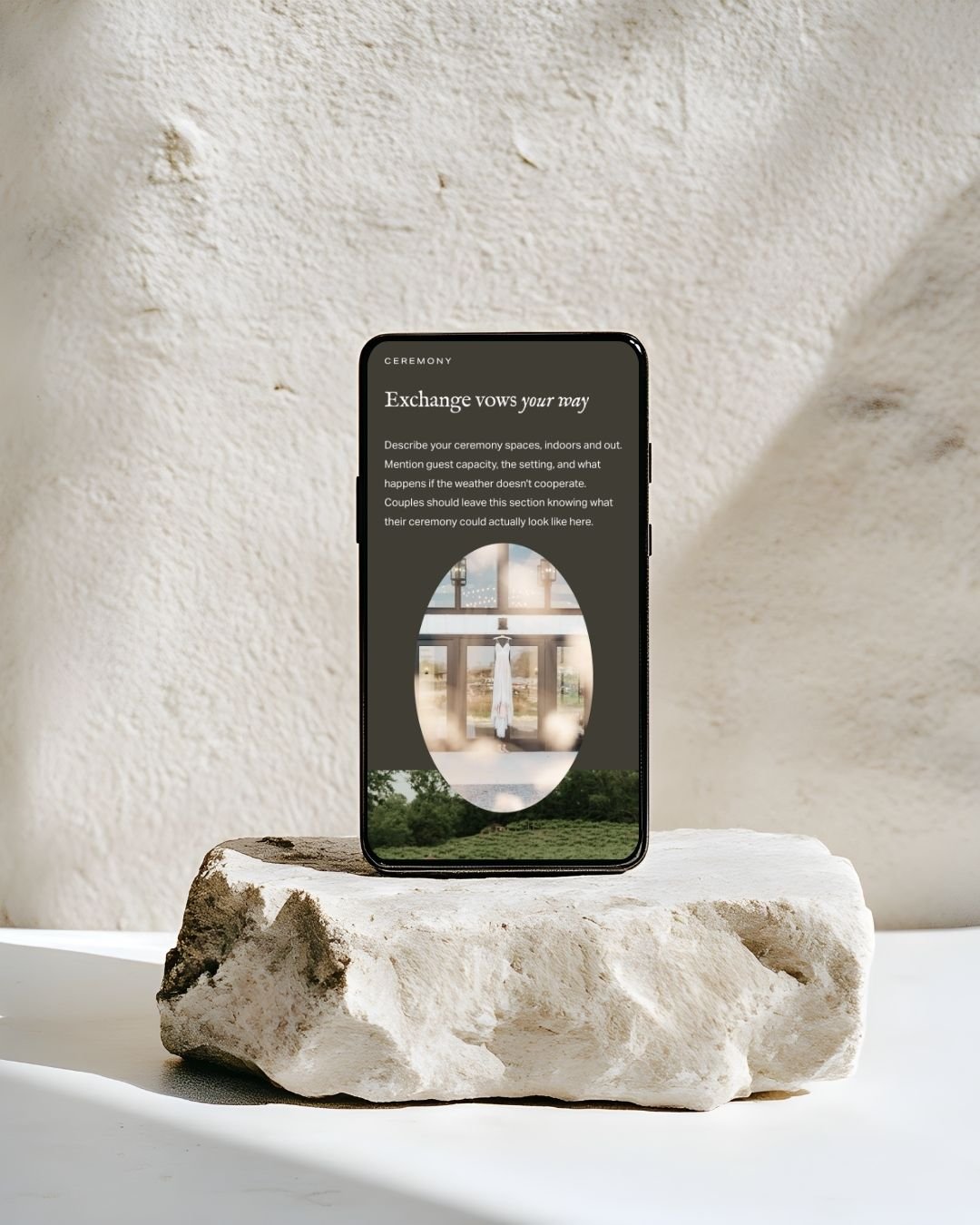
Your wedding venue website on mobile should look equally good!
16. Your wedding venue website needs to work for Google too
Wedding venue SEO deserves its own guide, but website structure and search visibility are connected. Google needs to understand what you are, where you are, what you offer, and which searches you're relevant to.
That means useful page titles and headings. Actual location information. Text describing your venue rather than communicating everything through photographs. Dedicated information about meaningful spaces and services. Real wedding content. Useful image filenames and alt text. Fast-loading pages. Internal links that make sense.
And perhaps most importantly, specificity. If you host intimate weddings for 50 guests in Charleston, say so. If 40 guests can stay on-site in Wisconsin, say so. If you're a downtown Chicago industrial venue for 200-person weddings, say so.
Stuffing “BEST LUXURY WEDDING VENUE WISCONSIN” into every available crevice is counterproductive. That’s not how SEO works in 2026. Describe the business accurately enough that both humans and search engines can understand it.
I recently found a fascinating real-world example of exactly this. I reverse-engineered a wedding venue whose Google visibility surged after a website redesign — and one of the biggest changes was surprisingly simple: the new website became much clearer about what the venue was, where it was and what it should be found for.
Interestingly, the redesign still gets plenty of things wrong from a conversion perspective — which is a useful reminder that ranking well and helping couples make a decision are not the same job.
And search is only one part of the bigger strategy — here's my complete guide to SEO for wedding venues.
17. Design for the decision, not the mood board
This is really the point of the whole article.
A wedding venue website can be beautiful, elegant, expensive-looking, technically impressive, and perfectly branded — and still make choosing unnecessarily difficult. Because aesthetic quality and decision quality are not the same thing.
Your website has to create desire. Of course it does. Weddings are emotional purchases. People need to see something and think: oh, I want that.
But desire is only the beginning. Then come the questions. Will everyone fit? Can we afford it? Can our families stay? Can we bring our own caterer? What if it rains? Is there somewhere to get ready? Is the ceremony accessible for Grandma? What does the weekend look like? What exactly are we paying for? Can we trust these people with one of the most expensive and emotionally loaded events we've ever organized?
Every useful answer reduces uncertainty. Every piece of evidence increases confidence. Every unnecessary obstacle introduces doubt.
That's conversion. Not a bigger button.
Wedding Venue Website Design Examples:
What Should You Actually Look For?
Search for wedding venue website design examples and you'll find no shortage of beautiful websites.
Google itself currently treats examples and inspiration as an important part of this search: results include design galleries, Pinterest inspiration, templates and website examples alongside educational articles and professional wedding venue web design services.
But I wouldn't judge an example solely by whether you like its typography.
When you're looking at other wedding venue websites for inspiration, ask what the design is actually helping the visitor accomplish.
Here are the examples I find much more useful.
An example that makes the venue immediately understandable
Look for a homepage where you can quickly establish the venue type, location, capacity and defining characteristics.
You shouldn't need to copy the design.
Look at the information hierarchy.
What did they tell you first?
What did they deliberately leave until later?
How quickly did you understand whether the venue was relevant to you?
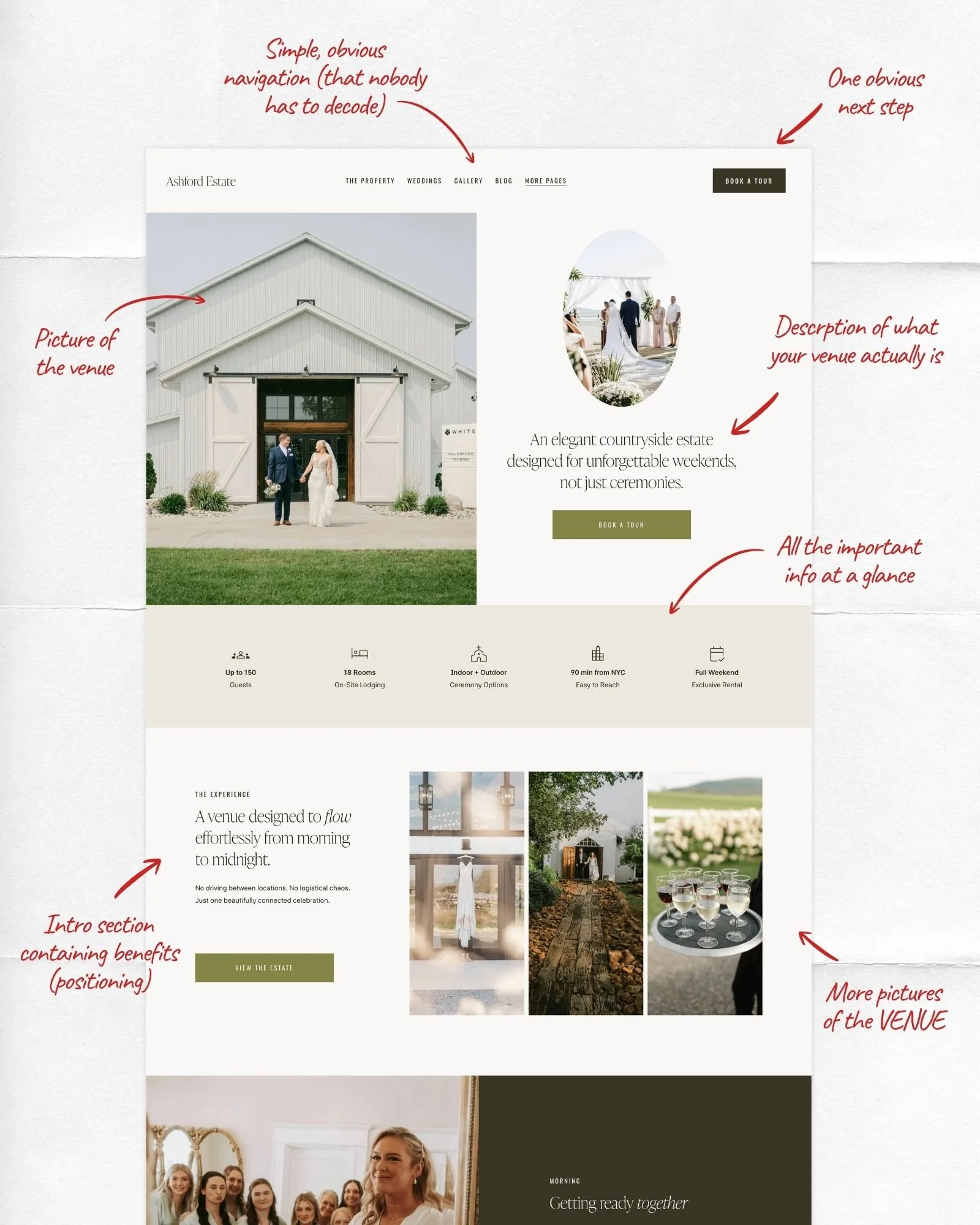
Pretty and useful can, in fact, coexist.
An example of photography that actually sells the venue
Compare a gallery dominated by beautiful close-up wedding photography with one containing wide photographs of the ceremony space, reception room, property and accommodation.
Both can be aesthetically beautiful.
Only one necessarily helps you understand what you're buying.
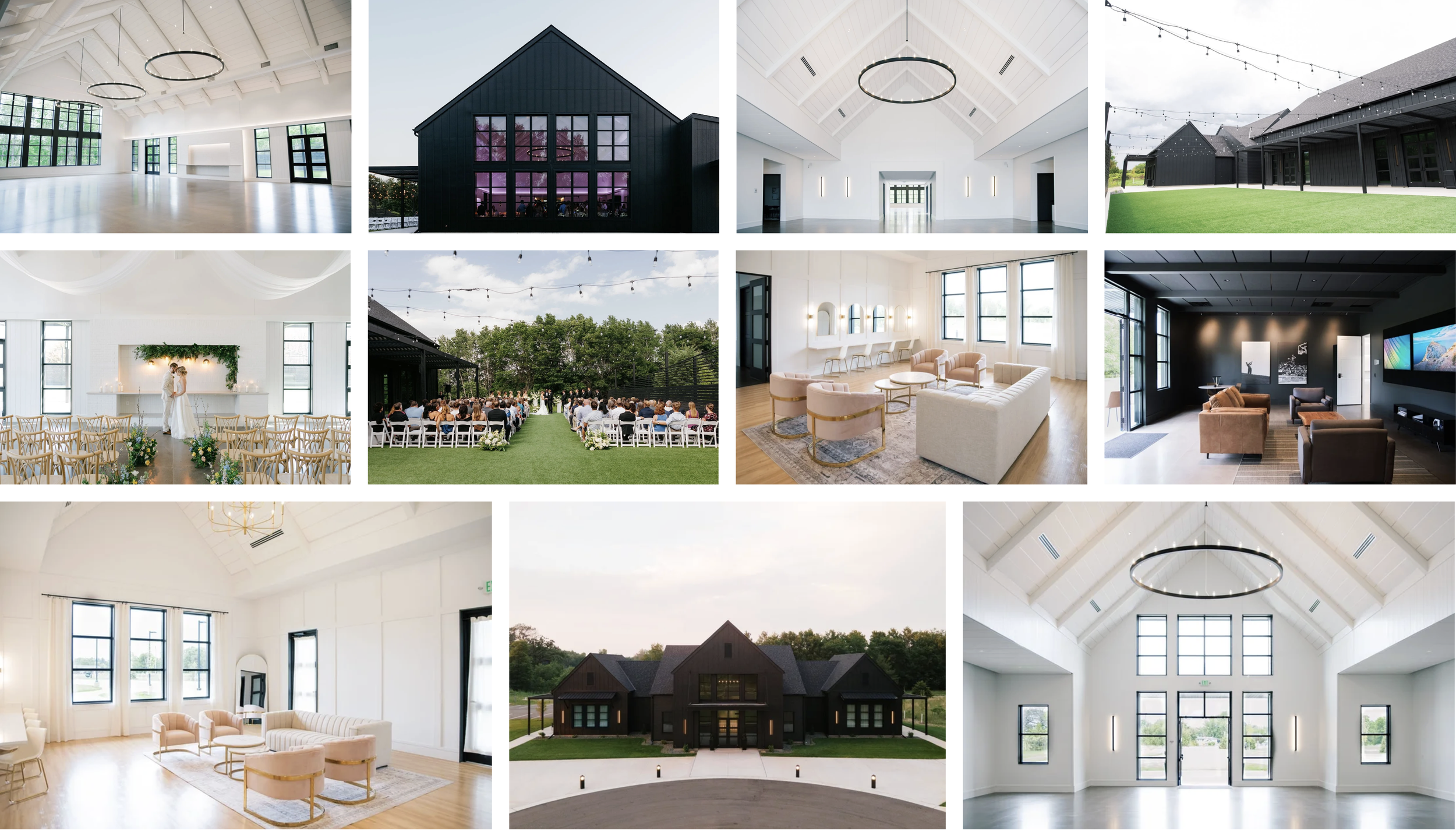
This photography sells the venue.
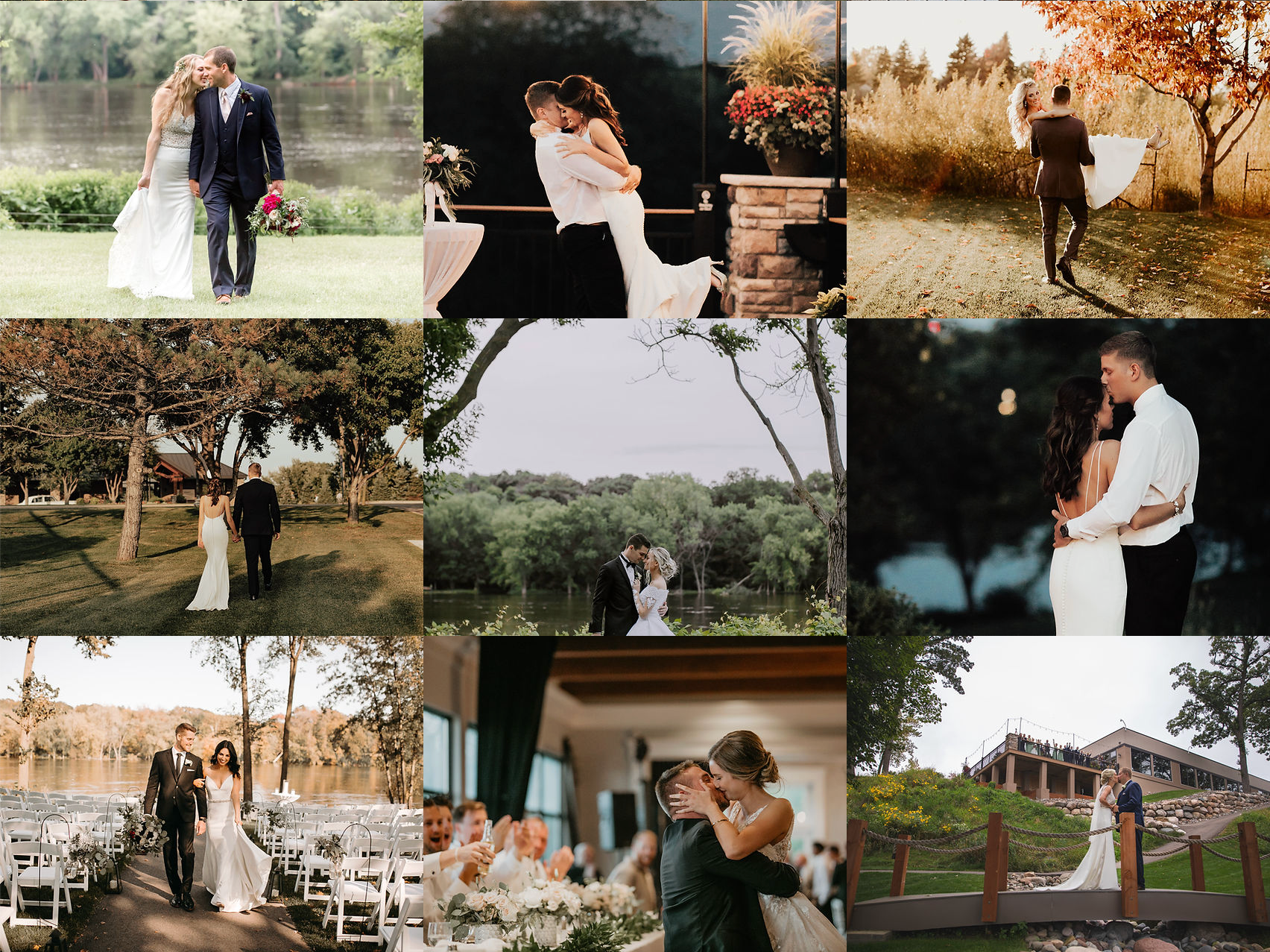
This is pretty but I still have no idea what i’m buying.
An example of useful wedding venue pricing
Good pricing design doesn't necessarily mean putting a giant dollar figure on the homepage. It means giving someone enough context to understand whether pursuing the venue makes sense.
Show the starting price.
Explain meaningful package differences.
Tell me what's included.
Let me understand what moves the price.
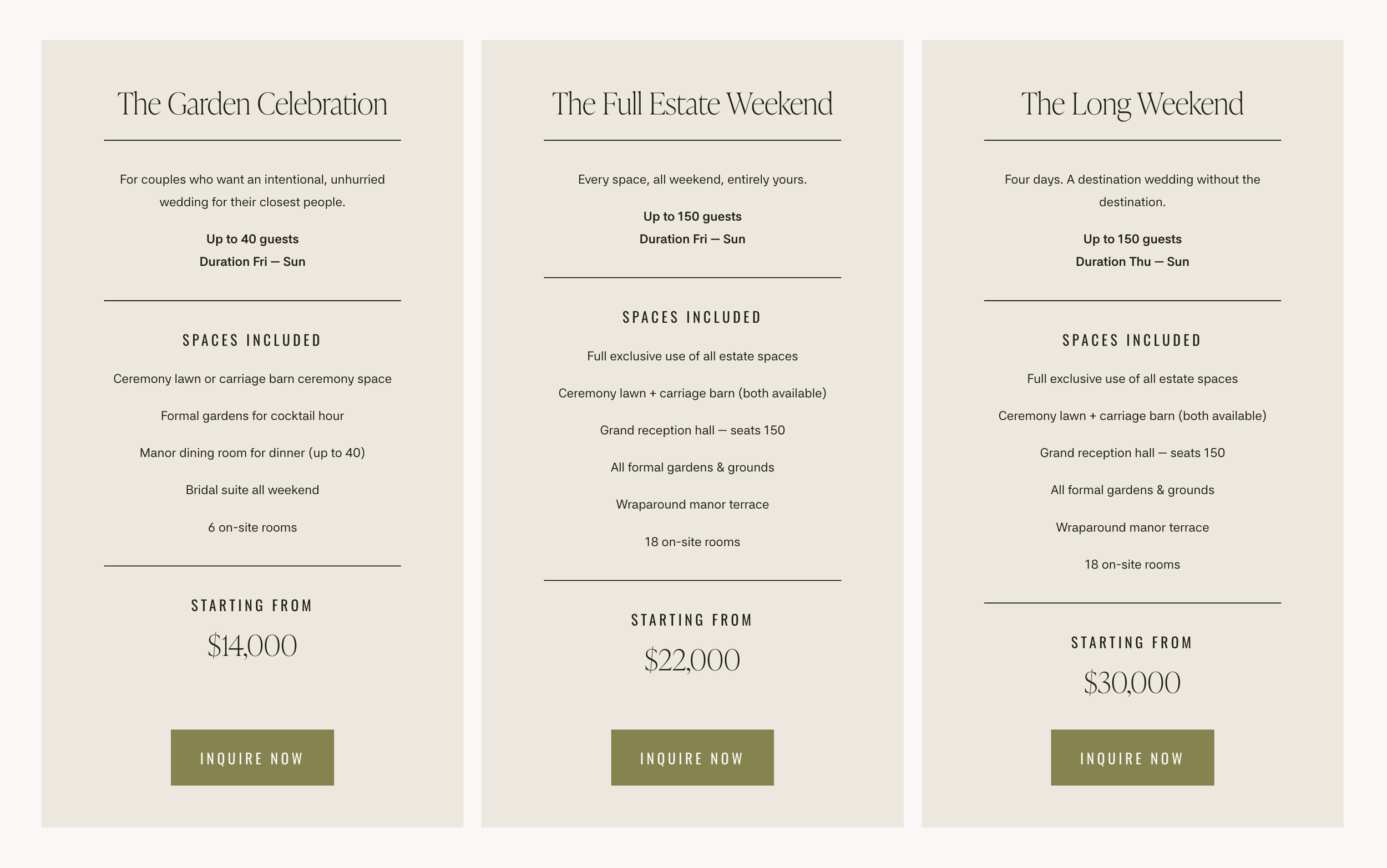
A very clear wedding venue pricing table.
An example of social proof doing actual work
Don't just look at how testimonials are styled.
Look at where they're placed and what they're proving.
A review about how beautifully the team handled a rainy wedding belongs near information about the rain plan.
A review about how easy the weekend was for guests belongs near accommodation.
A review from someone who planned from overseas belongs near information about planning support.
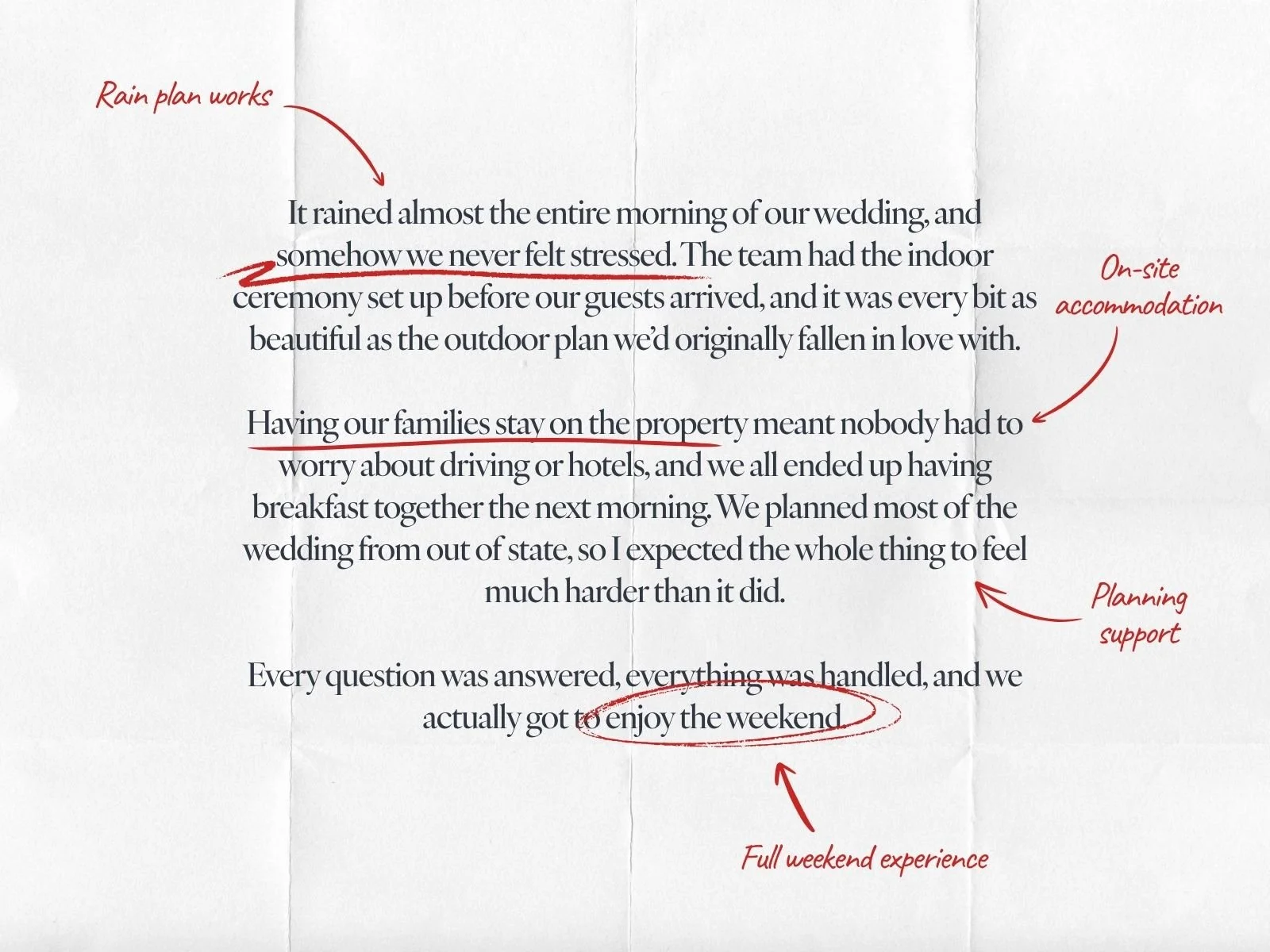
The best testimonials don't just tell couples that previous clients were happy. They provide evidence for the things you're asking them to believe.
An example that makes the next step obvious
Finally, look at what happens when you're ready.
Can you easily find pricing?
Can you check availability?
Can you book a tour?
Does the inquiry form feel proportional to the commitment you're making?
The best wedding venue website design examples aren't useful because you can copy their colors and fonts.
They're useful because you can study how they help someone make a decision.
What the Best Wedding Venue Websites Do Differently
After looking at more than 100 wedding venue websites, I don't think the best ones are necessarily the most visually impressive.
They're the ones that make the venue easy to understand.
They let you see it. They orient you quickly. They tell you who it's right for. They answer practical questions. They show evidence. They give you enough pricing information to self-qualify. They make it easy to imagine what your own wedding could look like there. And then, once you're interested, they make the next step obvious.
That's what good wedding venue website design is supposed to do. Not merely make someone say "OMG, beautiful," but move them toward "can we go see it?"
What About Wedding Venue Website Templates?
A wedding venue website template can be an excellent starting point. It can save an enormous amount of time and give you a professionally designed structure without paying for a completely custom website.
But there's an important distinction:
A template can give you a structure. It cannot make the strategic decisions for you.
It doesn't automatically know why couples choose your venue.
It doesn't know which objections repeatedly appear during tours.
It doesn't know whether accommodation is your strongest selling point.
It doesn't know that your competitors all hide their prices.
It doesn't know that couples continually praise your coordinator in reviews.
It doesn't know which photographs actually help someone understand your property.
Those decisions still matter. This is why I'd be cautious about choosing a wedding venue website template purely because the demo looks beautiful. Demo websites have a considerable advantage over your actual business: their imaginary venue has perfect photographs, perfectly sized headlines, and absolutely no operational complexity whatsoever. Your venue has to communicate real information.
When I designed my own wedding venue website template, I approached it from the opposite direction.
I started with the decision.
What does a couple need to understand?
What do they need to picture?
What do they need to believe?
What uncertainty needs to disappear?
What would make them confident enough to take the next step?
Then the design had to support those answers.
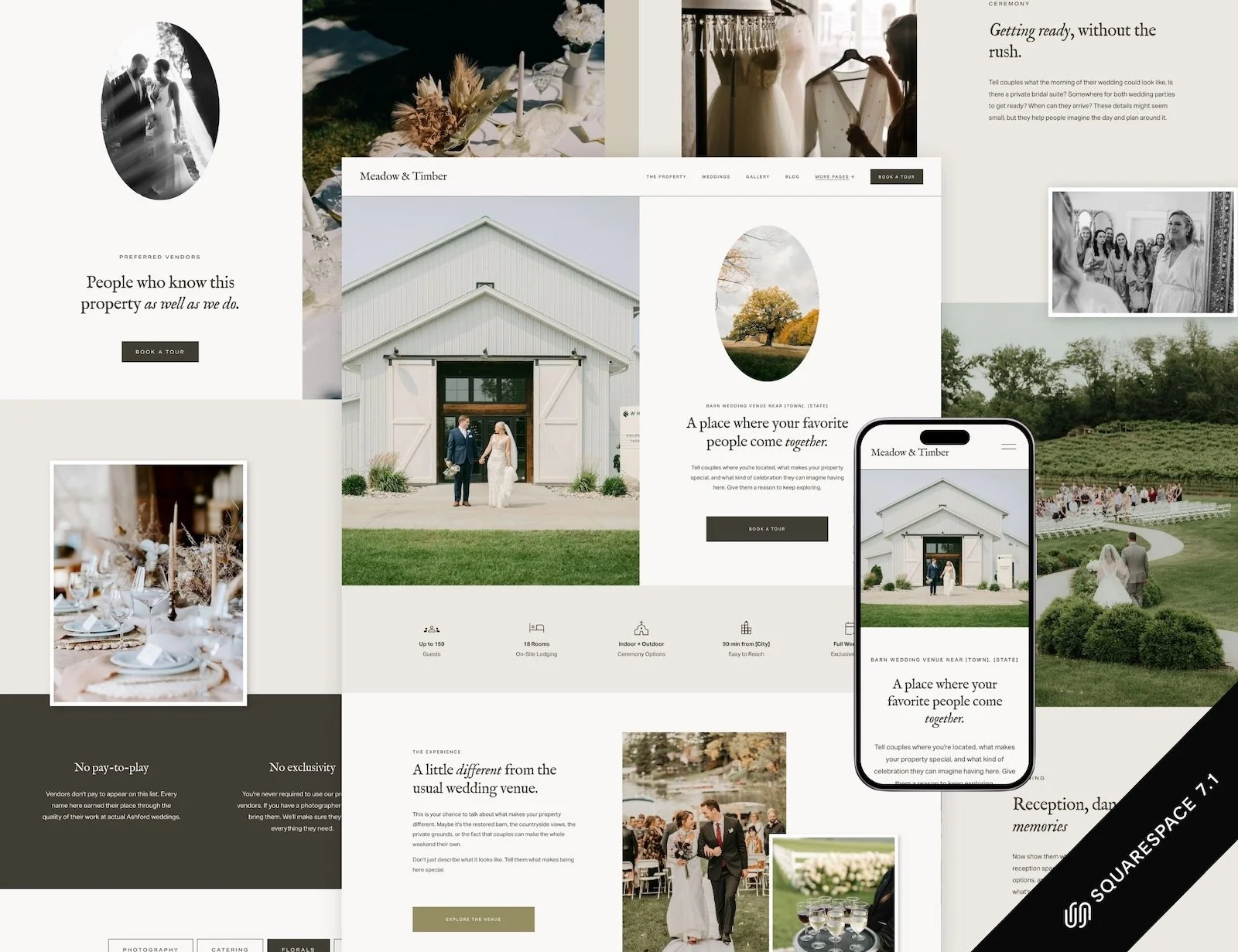
This is Meadow & Timber, my new wedding venue website template for Squarespace 7.1
So if you're comparing wedding venue website templates, don't just ask which one looks most like your aesthetic.
Ask: which one gives me the best structure for helping the right couples choose us?
The 30-Second Wedding Venue Website Test
Open your homepage on your phone and pretend you know absolutely nothing about the venue.
Give yourself 30 seconds.
Can you answer:
Where is it?
What does the actual venue look like?
How many people fit?
What kind of weddings is it particularly good for?
Can guests stay there?
What happens if it rains?
What does it roughly cost?
What's included?
Why should I trust you?
What should I do next?
You don't necessarily need every answer above the fold. But if someone has to conduct an archaeological excavation of your website to find most of them, you have a problem.
Because couples aren't exploring one venue in isolation. They're comparing. And every unanswered question gives the next tab an opportunity.
A Beautiful Wedding Venue Website Isn’t Enough
I don't think wedding venue websites need to become ugly conversion machines. Quite the opposite. Beautiful design matters. Photography matters. Emotion matters. Atmosphere matters.
But they need to work with clarity, not instead of it.
The goal isn't to cram every conceivable detail onto the homepage. It's to understand what someone needs at each stage of the decision and make that information easy to find when they need it.
Because couples don't necessarily book the venue with the prettiest website. They book when desire and confidence finally meet.
Your website's job is to help that happen.

Something isn’t adding up?
If your website gets visitors but they aren't turning into enough qualified inquiries—or you're simply not sure what people are seeing that you're too close to see—that's exactly the kind of problem I investigate.
In a Rabbit Hole Investigation, I look beyond whether your website is “good” or “bad.” I dig into your positioning, competitors, search behavior, customer decision process and the places where people may be dropping out.
Because sometimes the problem isn't the website.
Sometimes the website is just where the problem becomes visible.
Frequently Asked Questions About Wedding Venue Website Design
-
A wedding venue website should make it easy to find the venue's location, capacity, ceremony and reception spaces, pricing or starting prices, what's included, accommodation, rain-plan options, real weddings, reviews and a clear way to enquire or book a tour.
-
The cost varies considerably depending on whether you use a template, customize an existing website or hire a designer for a completely custom site. More important than the platform or price is whether the website clearly communicates your venue and helps qualified couples decide whether it's right for them.
-
A good wedding venue website combines strong photography and design with useful information. Couples should be able to understand what the venue is, picture their wedding there, determine whether it fits their practical needs and know what to do next.